[launches] · · 1 min read
OpenAI's rumored AI smart speaker: a $300-400 'donut' with moving parts
Bloomberg reports the ChatGPT-powered device will be a premium, portable 'donut' with moving parts, priced well above typical smart speakers.
By ByteBulletin Editor · Editor
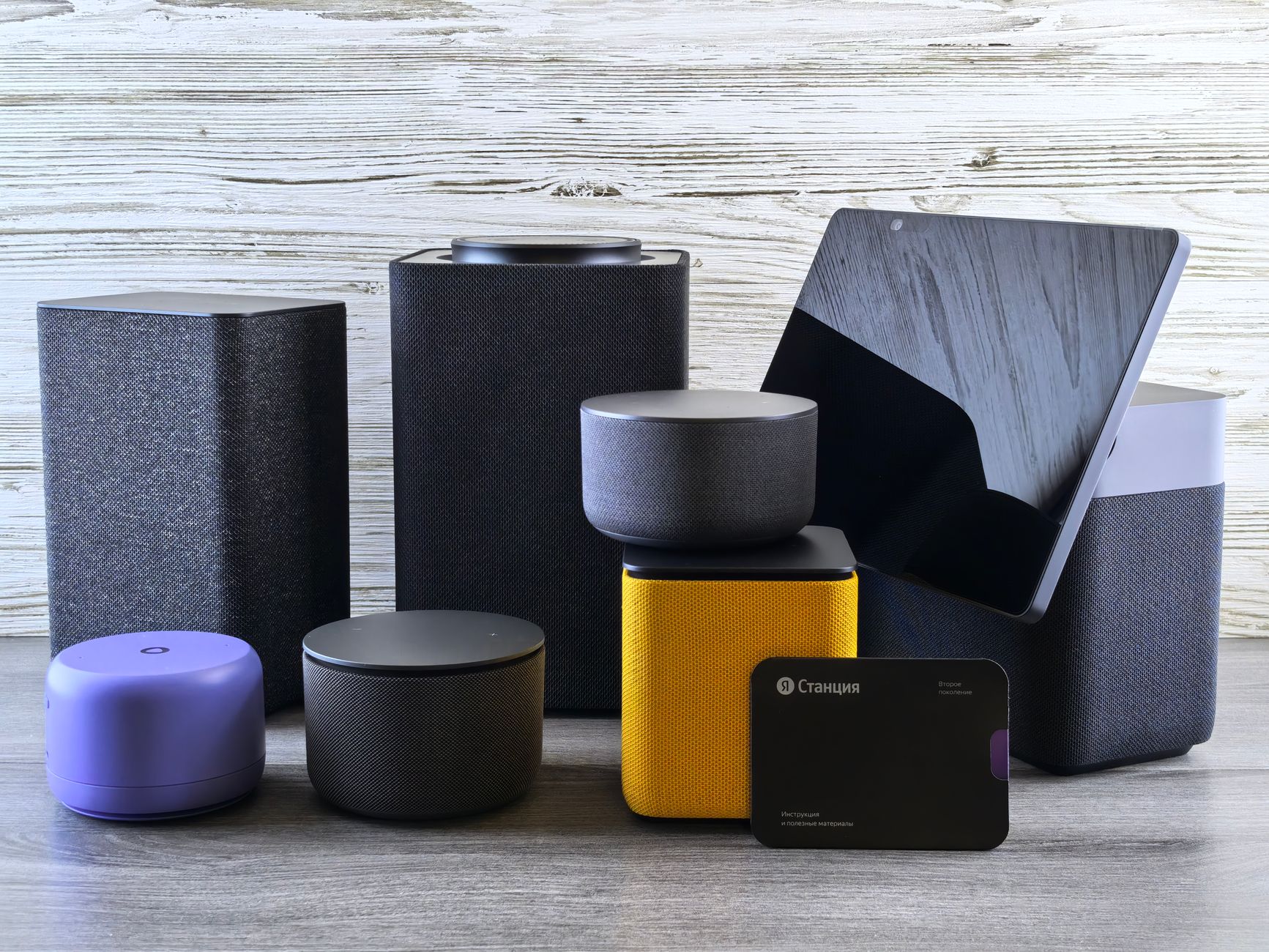
OpenAI's long-rumored hardware device is taking shape, and the latest details paint a picture of a premium, portable — and possibly puzzling — gadget. According to Bloomberg, the AI smart speaker, described as the "physical manifestation" of ChatGPT, will be donut-shaped, allowing users to carry it around the home and place it on a bedside table or kitchen counter. It will be crafted from "high-quality metal," have a "premium look," and — in a detail that has observers scratching their heads — feature distinct "moving parts."
The device is reportedly being developed in partnership with LoveFrom, the design studio founded by Jony Ive, and is expected to launch sometime in 2027. Pricing is said to be in the $300 to $400 range, significantly higher than most smart speakers: Amazon's lineup, for comparison, spans from $40 to $240. This premium positioning aligns with the device's high-end materials and design, but it also raises questions about market viability.
Smart speakers have historically been a tough sell, with many companies struggling to turn a profit in the space. OpenAI's high price point may not help, but the company's goal is likely less about immediate margins and more about deepening ChatGPT's integration into everyday life. As Nikhil Krishnan, a senior analyst at Forrester, notes on social media: "The challenge for OpenAI is to prove that an AI-native device can do things a smartphone app can't — otherwise, it's a very expensive ornament."
Meanwhile, the company's hardware ambitions have not been without controversy. OpenAI is currently facing a lawsuit from Apple, which accuses the AI lab of stealing trade secrets. OpenAI has denied the allegations. The case adds a layer of complexity to an already ambitious hardware play.
For now, the "AI donut" remains a rumor, but the steady stream of details suggests it's more than a concept. Whether it will find a place in homes — and justify its price tag — is a story worth following.
Get the signal, not the noise.
One short email when it matters. No recaps of recaps.
SHARE
RELATED
[launches] ·
Microsoft names its developer-focused Windows tier Project Zenith

[launches] ·
John Ternus Becomes Apple CEO, Replacing Tim Cook in Major Leadership Shift

[research] ·
Hacktron exploits Claude Opus 5 to breach OpenAI

[models] ·
GPT-5.6 Luna vs GPT-6 Astra: Code Review Cost and Accuracy

[tooling] ·
OpenAI agents linked to RubyGems hack and API key theft attempts

[research] ·