[launches] · · 1 min read
Microsoft names its developer-focused Windows tier Project Zenith
The new initiative targets high-memory devices capable of running 30B+ parameter AI models locally, debuting with AMD Ryzen AI Halo hardware.
By ByteBulletin Editor · Editor
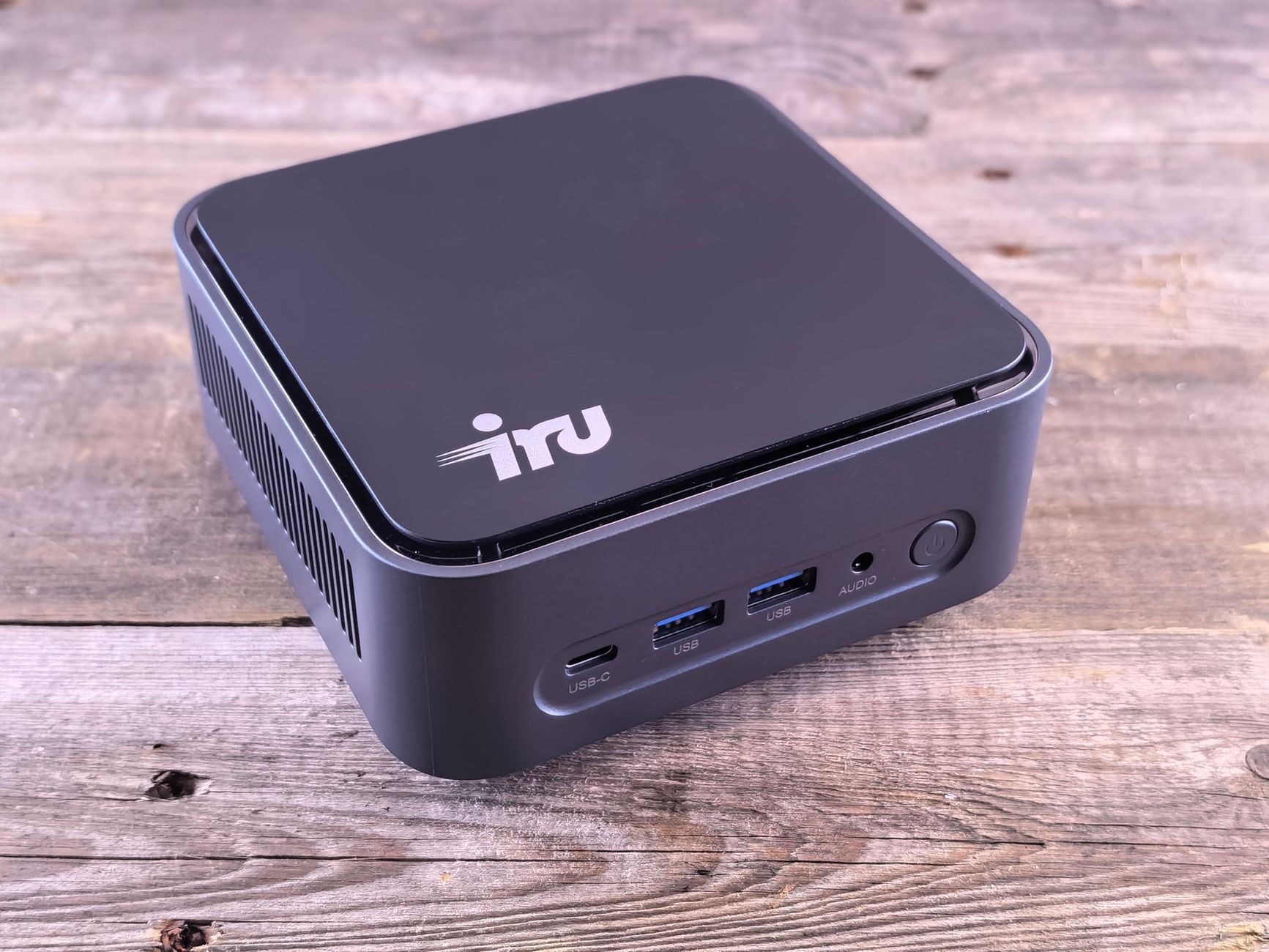
Microsoft has officially branded its developer-optimized Windows experience as Project Zenith, moving beyond the vague descriptions offered at Build earlier this year. The initiative is specifically designed for a new class of developer-focused devices equipped with 64GB or more of unified memory, a hardware threshold intended to support local AI workloads without constant cloud dependency.
According to Logan Iyer, CVP of Windows platform and developer at Microsoft, these devices allow developers to run 30B+ parameter models locally and unmetered. This capability is framed as a way to accelerate experimentation while reducing reliance on metered cloud tokens, a significant shift for teams looking to optimize AI inference costs.
The first Project Zenith device was announced at IFA, a miniature PC powered by AMD’s Ryzen AI Halo chips. Microsoft indicated that additional devices with different silicon will arrive in the coming months, suggesting a broader hardware ecosystem rather than a single partnership.
The software experience on these devices is preconfigured for development workflows. Key changes include:
- Preinstalled Tools: Visual Studio Code, GitHub Copilot, PowerToys, WinAppCLI, and Windows Dev Skills are included out of the box.
- File Explorer Adjustments: File extensions, hidden files, and full paths in the title bar are enabled by default.
- Reduced Distractions: Recently used files, sync provider tips, Start menu tips, and account notifications are disabled.
- Developer Utilities: Long-path support is enabled, and the PowerToys Command Palette is active by default.
For many developers, these configuration changes represent settings that should be standard in every Windows 11 installation. By bundling these tweaks into a specific hardware tier, Microsoft is creating a distinct niche for high-memory local AI development, positioning Windows as a viable alternative to macOS for local LLM experimentation.
Get the signal, not the noise.
One short email when it matters. No recaps of recaps.
SHARE
RELATED

[launches] ·
John Ternus Becomes Apple CEO, Replacing Tim Cook in Major Leadership Shift
[launches] ·
Anthropic merges Claude chat and Cowork into one interface

[launches] ·
Cline v4.1.18 and CLI 3.0.62 ship Desktop app and major SDK updates

[launches] ·
Kungfu Launches Agent Handoff Protocol to Eliminate Context Loss
[launches] ·
Apple Simplifies EU App Store Fees to 5% for Alternative Distribution
[launches] ·