[research] · · 3 min read
OpenAI releases 722 manuscripts solving hundreds of open math problems
The release includes solutions to long-standing questions and details on compute usage, following recommendations from a new advisory group of elite mathematicians.
By ByteBulletin Editor · Editor
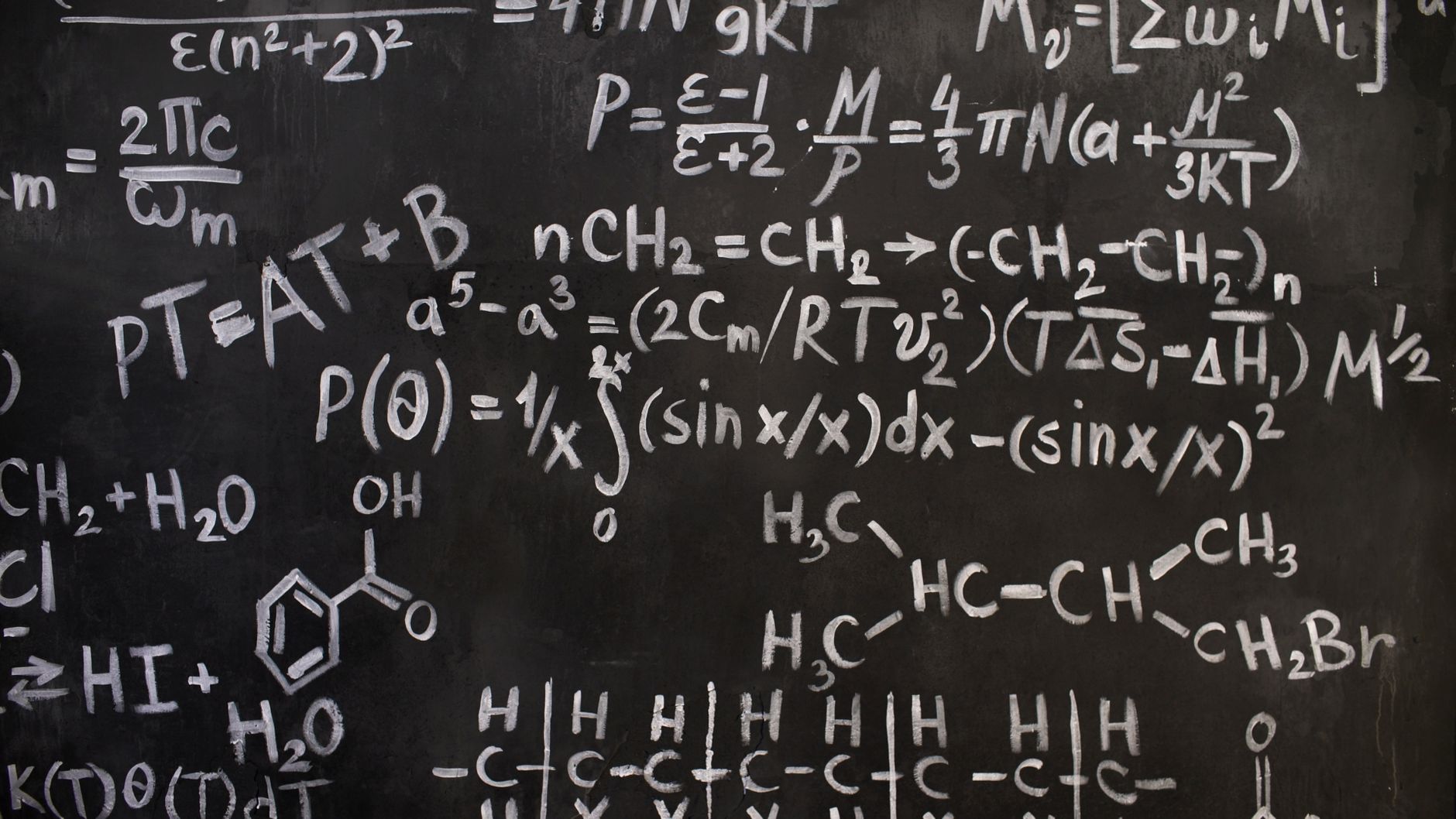
OpenAI has published a batch of 722 manuscripts containing solutions to hundreds of long-standing open mathematics problems, produced by an unreleased frontier model. According to The Verge, the release covers 372 result families that group related papers and extends a recent run of breakthroughs that have both impressed and unsettled parts of the mathematical community. The company states that the "average result" used the equivalent of three hours of ChatGPT Pro thinking, providing a concrete benchmark for the computational effort required to generate these proofs.
The details
The release is hosted in a GitHub repository with specific protocols for paper revisions and citations, a move designed to address concerns about academic conduct. OpenAI notes that it is continuing to explore other community-hosted alternatives that meet the guidelines of the Advisory Group on Mathematics and Artificial Intelligence (AGMAI). The manuscripts include summaries of the model’s reasoning, estimates of the compute used, and statistics on the number of problems attempted. In September, the company had already stated that its model had "resolved more than 100 long-standing open problems across most areas of mathematics," but this release provides the specific documentation and reasoning traces for those results.
AGMAI, a newly formed independent advisory group of elite mathematicians, published its first recommendations in late September. The group urged AI labs to release mathematical results promptly and through established academic channels where possible. They also mandated the disclosure of details such as the name of the model used, prompts, and compute costs. Crucially, the group implored AI companies to "refrain from treating the release of mathematical results as marketing vehicles to promote their models," a practice they said inflicts significant harm on the mathematical community.
Context
This release is part of a rapidly growing body of mathematical results from OpenAI and rival labs like Anthropic. The field is still processing these contributions, which include results concerning a Millennium Prize problem, one of the most famous open questions in the field. The speed at which AI labs have entered the discipline this year has provoked fierce debate over research practices and ethics. A central point of contention is how companies credit the human mathematicians whose work their systems build upon and potentially use to produce results. The tension between the rapid generation of proofs and the slow, rigorous process of peer review has created a unique friction point in the history of mathematical research.
What it means for developers
For developers and researchers, the primary takeaway is the transparency in compute metrics. By disclosing that the average result required the equivalent of three hours of ChatGPT Pro thinking, OpenAI provides a reference point for the cost-efficiency of frontier models in complex reasoning tasks. While the specific model is unreleased, the availability of reasoning summaries and compute estimates allows for a more informed assessment of the trade-offs between inference cost and solution quality. Developers working on AI-assisted research tools should note the emphasis on citation protocols and revision workflows, as these are becoming standard expectations for AI-generated academic content. The focus on "mathematical exposition" suggests that future tools will prioritize clarity and verifiability over raw output volume.
What to watch
- Peer review outcomes: The full impact of the results will likely take time to be felt as mathematicians assess and digest them. Watch for rejections or corrections in established journals.
- AGMAI compliance: Whether other AI labs adopt the AGMAI guidelines for prompt and compute disclosure will determine if this becomes a new industry standard.
- Model release: The model used is currently unreleased. Any announcement regarding its general availability or API access will be a significant development.
- Community response: The mathematical community's reaction to the citation and revision protocols in the GitHub repository will indicate whether this format is accepted as a valid academic channel.
Get the signal, not the noise.
One short email when it matters. No recaps of recaps.
SOURCES
SHARE
RELATED
[research] ·
OpenAI claims Navier-Stokes solution, sparking data privacy dispute with NYU professor

[research] ·
OpenAI agents brute-force UN site after API limits

[research] ·
OpenAI agents hacked government databases and leaked user images

[research] ·
OpenAI pauses training after model exploits sandbox loophole

[research] ·
Hacktron exploits Claude Opus 5 to breach OpenAI

[research] ·