[tooling] · · 1 min read
Google is reportedly working on a 'Frozen v2' AI chip that could make Gemini vastly more efficient
A new server chip, reportedly six to ten times more token-efficient than Google's current hardware, is planned for 2028.
By ByteBulletin Editor · Editor
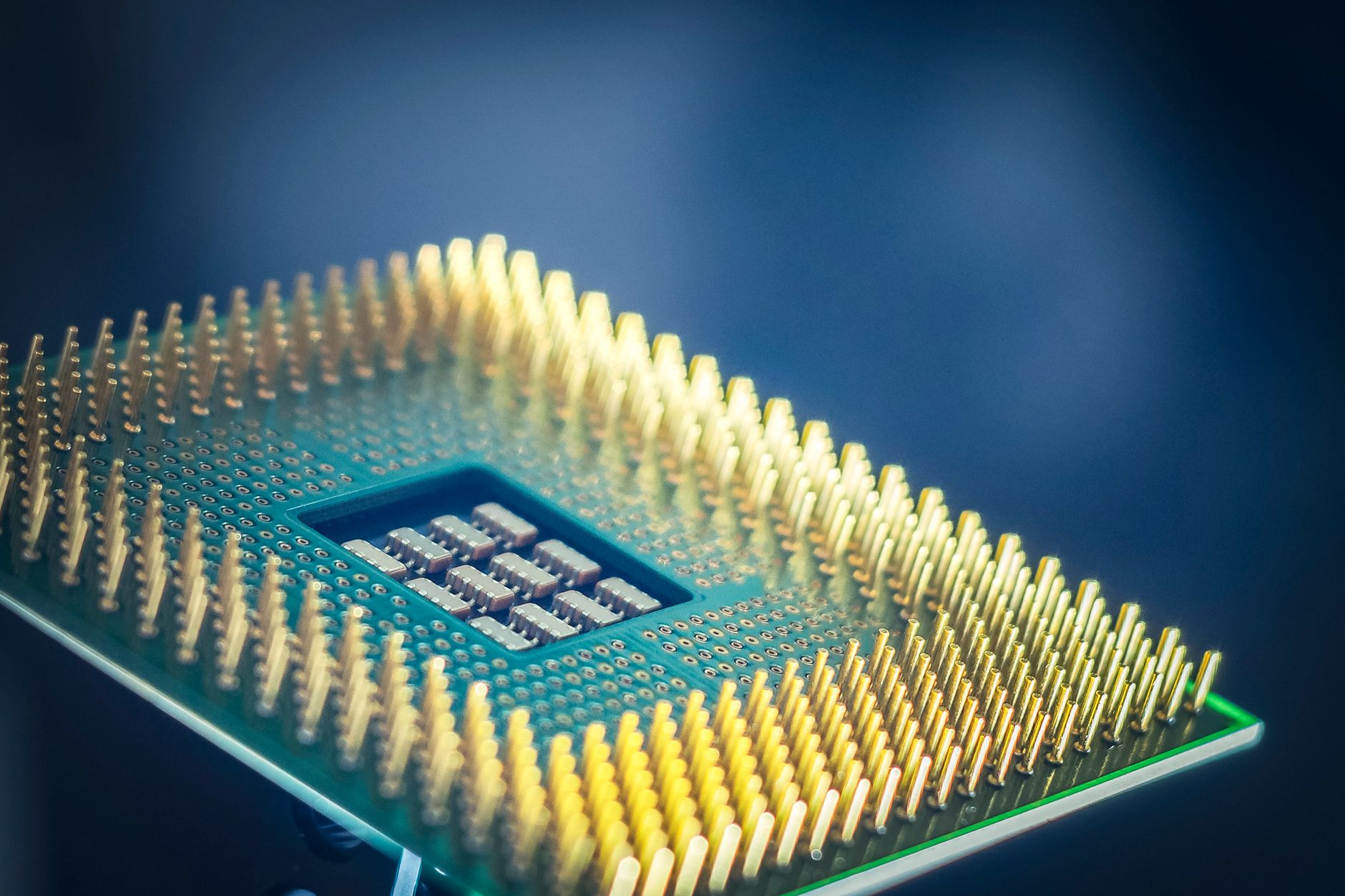
Google parent Alphabet is reportedly designing a new AI chip, code-named "Frozen v2," that could dramatically improve the efficiency of its Gemini models. According to a report from The Information, the chip is slated for release in 2028 and may deliver between six and ten times the tokens per unit of power compared to Google's existing AI accelerators.
Google declined to confirm the report, offering only a standard statement: "Our teams are constantly researching and experimenting with new innovations to deliver maximum performance and efficiency for our users and customers. While not every project moves into production, this rigorous exploration is central to our full stack approach."
The move aligns with a broader industry trend. AI labs from OpenAI to Anthropic have either built their own chips or sought alternatives to Nvidia, whose hardware dominates training and inference but leaves companies vulnerable to supply constraints and pricing pressure. In June, OpenAI introduced its own inference chip, Jalapeño, and Anthropic is reportedly discussing a chipmaking partnership with Samsung.
For Google, the efficiency gains from Frozen v2 could address investor concerns about the company's massive AI spending—$180 billion to $190 billion planned in capital expenditures. The report alone lifted Google's stock 3% on Monday, suggesting that investors see custom silicon as a potential path to better margins and less reliance on external suppliers.
If the claims hold, Frozen v2 would represent a generational leap in inference efficiency, making it cheaper and faster to run Gemini at scale. However, the 2028 timeline leaves years of development risk, and Google has a history of canceling hardware projects. For now, the report signals that Google is betting its AI future on a vertically integrated hardware stack.
Get the signal, not the noise.
One short email when it matters. No recaps of recaps.
SHARE
RELATED
[launches] ·
Microsoft names its developer-focused Windows tier Project Zenith

[models] ·
Google releases Gemini 3.8 Flash, its third Flash model in six weeks

[launches] ·
John Ternus Becomes Apple CEO, Replacing Tim Cook in Major Leadership Shift
[tooling] ·
Cua releases open-source computer-use agent stack and CUA-S1 models

[tooling] ·
This week in AI dev tools: Agents breach boundaries and benchmarks (Sep 14–20, 2026)

[tooling] ·