[funding] · · 1 min read
Generalist hits $3B valuation as it bets on video-learning robot brains
The robotics startup, founded by ex-DeepMind researchers, has raised an additional $200M to extend its $600M round, positioning itself against rivals like Physical Intelligence and Skild AI.
By ByteBulletin Editor · Editor
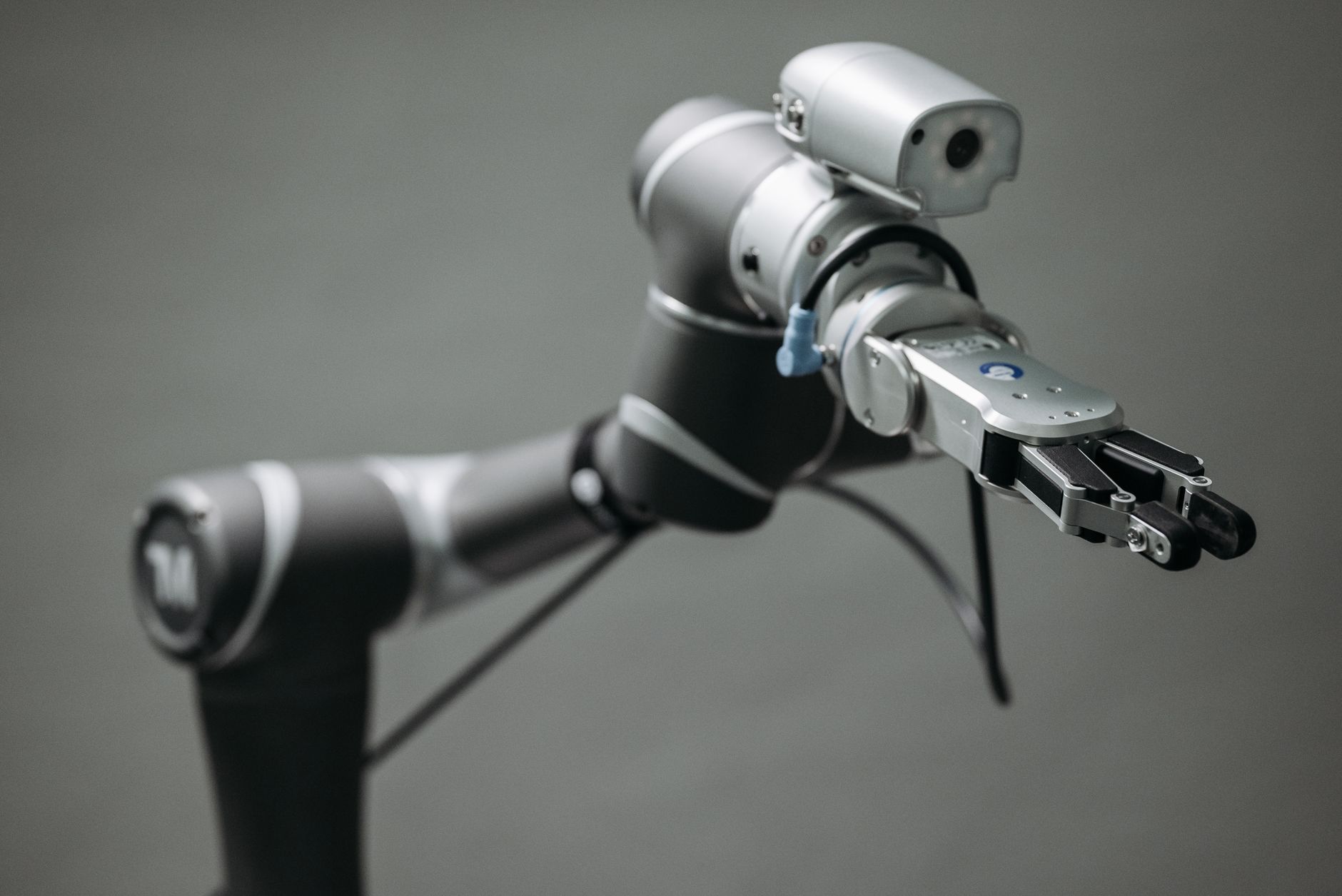
Generalist, a robotics startup founded by former Google DeepMind researchers, has reached a $3 billion valuation after closing an additional $200 million in funding. The new capital, led by 8VC, extends a previously announced $400 million Series B led by Radical Ventures, bringing the total round to $600 million. This move places Generalist in a high-stakes race to build a universal "brain" for robots, competing directly with Physical Intelligence and Skild AI, both of which have recently secured valuations exceeding $10 billion.
The company’s core thesis is that robots can learn complex tasks from extremely short video demonstrations. Generalist’s recently released Gen 1.5 model claims to enable robots to master new behaviors from clips as brief as 3 to 12 seconds, a significant departure from traditional robotics programming that requires extensive, task-specific training data. By leveraging video-based learning, the startup aims to reduce the data bottleneck that has historically slowed down robotic deployment in unstructured environments.
Founded in 2024 by Pete Florence, Andy Zeng, and Andrew Barry, Generalist has maintained a low profile until now, operating quietly while working with a small number of customers to tailor its foundation models for specific use cases. The startup’s investor roster includes heavyweight names such as Nvidia, Union Square Ventures, Bezos Expeditions, and AI researcher Fei-Fei Li. The surge in funding reflects a broader industry bet that robotics is approaching its own "ChatGPT moment," where general-purpose capabilities emerge without explicit training for every individual task. However, skeptics note that unlike large language models, robots cannot be trained on the entirety of the internet’s data, suggesting that a truly general robotics model may still be years away.
Get the signal, not the noise.
One short email when it matters. No recaps of recaps.
SOURCES
SHARE
RELATED

[funding] ·
Insight Partners diversifies AI bets against OpenAI and Anthropic concentration

[funding] ·
Cognition raises $2B at $48B valuation as AI coding market expands

[funding] ·
Thinking Machines in talks for $1B round at $40B valuation

[funding] ·
Vals raises $40M Series A led by Andreessen Horowitz

[funding] ·
Mistral AI raises €3B in Europe's largest tech equity round

[funding] ·