[research] · · 2 min read
AutoformBench tests Lean 4 formalization with 341 tasks
New benchmark reveals that AI models struggle less with specific math domains and more with building the missing definitions and lemmas required for real formalization.
By ByteBulletin Editor · Editor
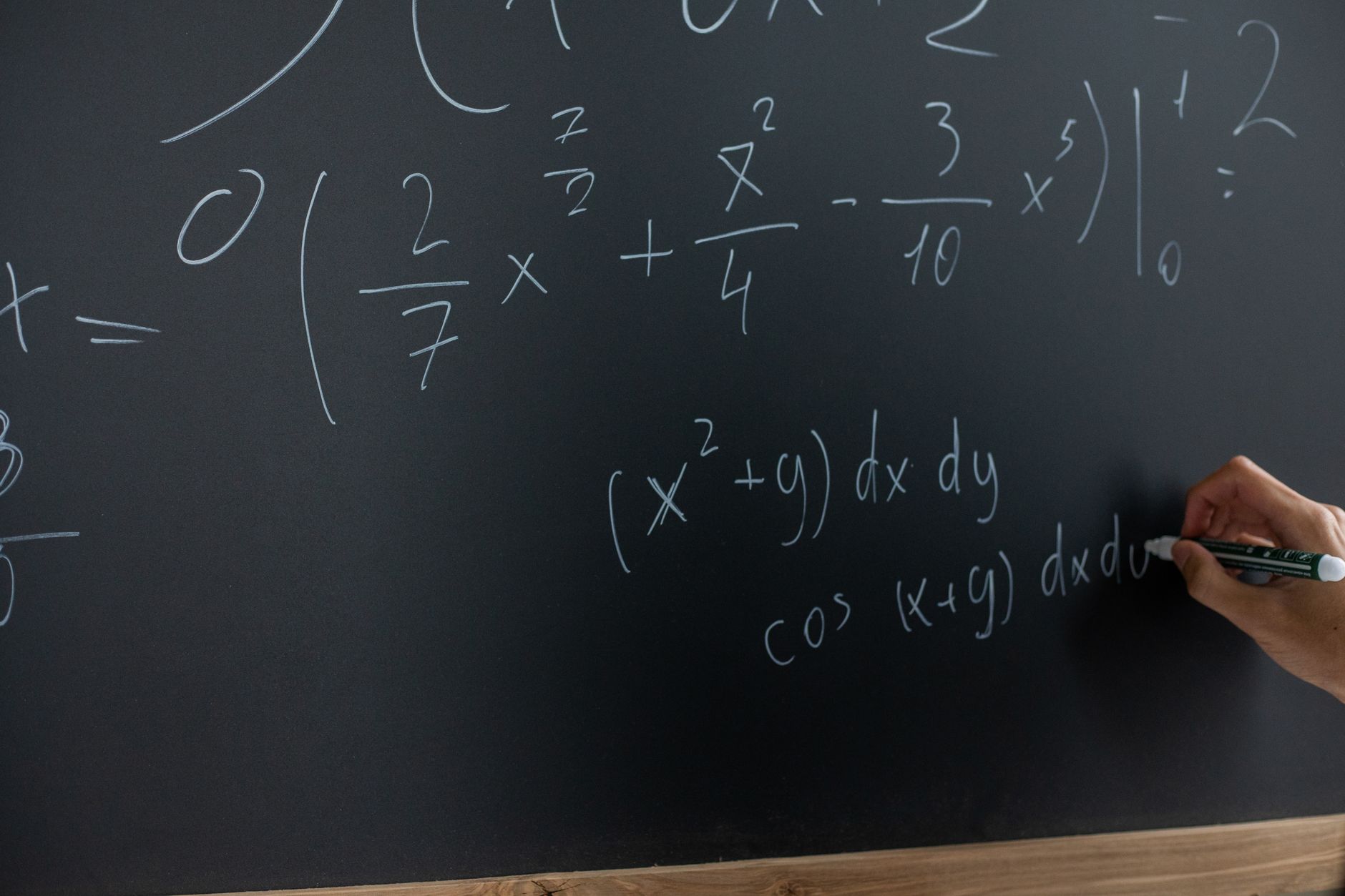
The arXiv paper for AutoformBench introduces a new evaluation standard for AI systems working on machine-checked proofs in Lean 4. The benchmark consists of 341 formalization tasks drawn from 24 advanced mathematical sources. Unlike previous evaluations that often provided isolated theorem statements where the supporting theory was already available in Mathlib, AutoformBench requires agents to construct the missing definitions, intermediate lemmas, and supporting infrastructure necessary to connect a result to a formal library.
The Details
The core innovation of AutoformBench is its focus on the full scope of mathematical formalization rather than isolated theorem proving. Lean-experienced mathematicians formalized and audited each target statement, ensuring that the corresponding Lean proof was left to the evaluated agent. Each problem is embedded in a broader mathematical development, meaning agents receive the informal proof but must translate it into Lean while building the necessary scaffolding.
The authors compare the performance of frontier models on these problems and identify a "largely shared difficulty frontier." The research finds that success depends less on the specific mathematical domain and more on the models' ability to construct missing formal infrastructure. This suggests that the bottleneck for AI in formal mathematics is not the logical complexity of the theorems themselves, but the engineering of the formal environment around them.
Context
Existing evaluations for AI in mathematics have often relied on settings where much of the supporting theory is already available in Mathlib, the standard library for Lean. This approach can overestimate a model's capability by providing a ready-made ecosystem of definitions and lemmas. AutoformBench addresses this by simulating the real-world experience of a mathematician formalizing a new result, where the agent must bridge the gap between informal mathematics and the formal library. This shift from isolated theorem proving to comprehensive formalization aligns with the practical needs of researchers using proof assistants for advanced mathematics.
What It Means for Developers
For developers and researchers working with AI coding tools for mathematics, AutoformBench highlights the importance of infrastructure building. If you are integrating AI models into a Lean workflow, focus on their ability to generate definitions and lemmas, not just the final proof. The benchmark suggests that models may struggle with the "plumbing" of formalization, such as defining new types or proving auxiliary lemmas, even if they can handle the main theorem statement. This implies that human oversight may still be required for the structural aspects of formalization, while AI can assist with the logical steps.
What to Watch
- Model Performance Gaps: Monitor how different frontier models perform on the 341 tasks, particularly in domains where the formal infrastructure is sparse.
- Mathlib Integration: Observe how well models can interact with and extend the existing Mathlib ecosystem, as this is a key component of the benchmark.
- Future Benchmarks: Look for subsequent benchmarks that expand on AutoformBench by including more diverse mathematical sources or testing different levels of formalization complexity.
Get the signal, not the noise.
One short email when it matters. No recaps of recaps.
SHARE
RELATED

[research] ·
OpenAI releases math and CS breakthroughs with expert shepherds

[research] ·
OpenAI GPT-6 designs functional proteins without specialized models
[research] ·
Anthropic data centers to emit 32 million tons CO2 by 2028
[research] ·
HD Moore's 2 million prompt canary test exposes AI supply chain leaks
[research] ·
Anthropic mathematician claims Riemann hypothesis proof with Claude
[research] ·