[launches] · · 1 min read
VerusCite Launches AI-Powered Citation Verification for Academic PDFs
A new pay-as-you-go tool uses LLM extraction and real-time database lookups to flag hallucinated or mismatched citations in research papers, theses, and reports.
By ByteBulletin Editor · Editor
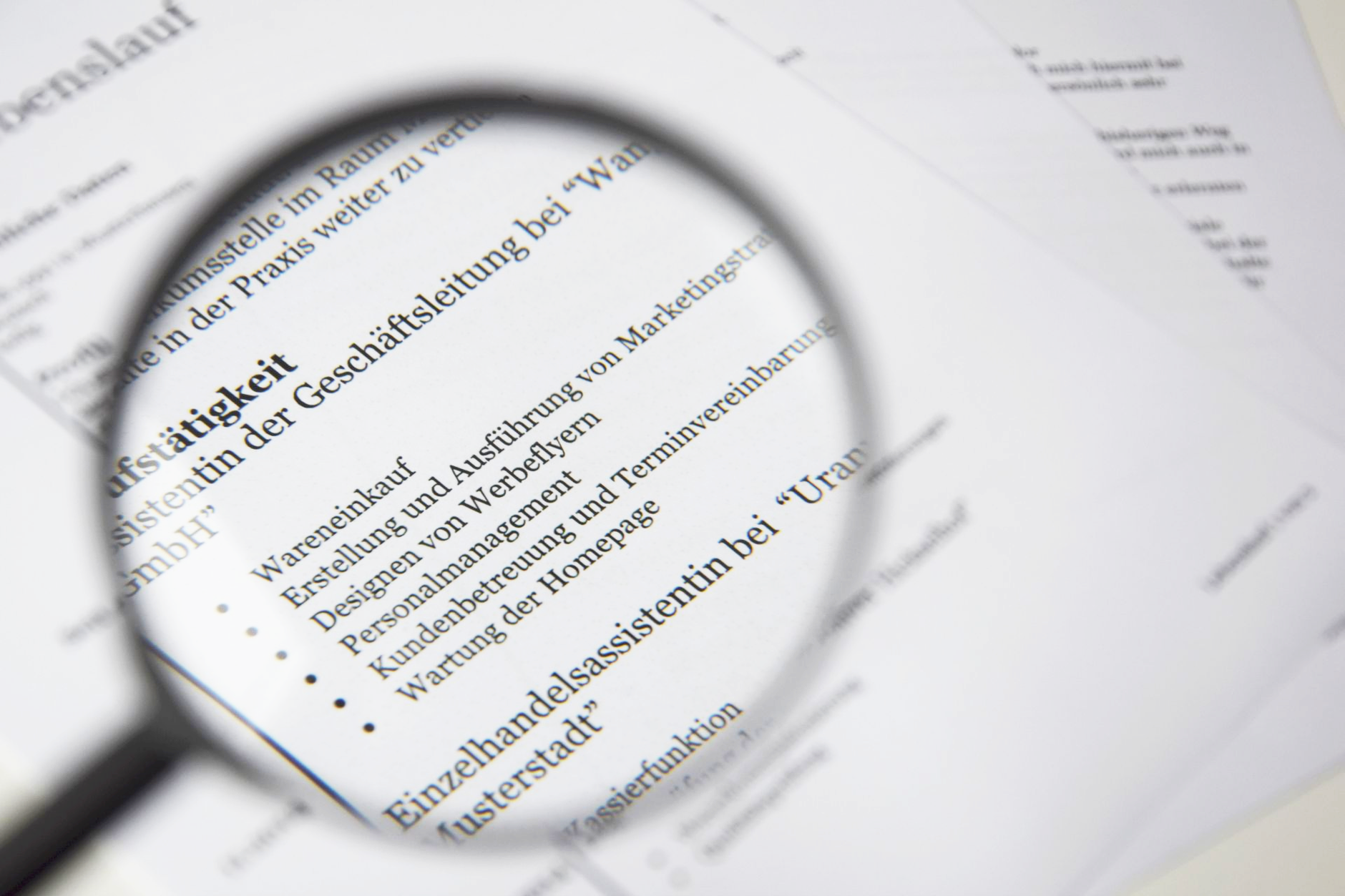
VerusCite, a new tool from the team behind VerusCite Data, aims to tackle a growing problem in academic publishing: citation errors and outright hallucinations. The service, now publicly available, lets researchers, students, and academics upload a PDF of up to 1,000 pages and automatically cross-references every citation it finds against public scholarly databases and web pages. The result is an interactive table that flags potential hallucinations, mismatches, or references that simply can't be verified, complete with explanations for each flag.
"Our system uses advanced AI to intelligently extract every citation, then cross-references them against public databases and web pages using AI," the company explains on its site. "We flag potential hallucinations, mismatches, or unverifiable references with detailed explanations."
The tool is designed to handle academic papers, theses, reports, and other scholarly documents. After uploading, users get an interactive results table where they can mark citations as correct, download CSV reports, and rest assured that their data stays private. The service is priced on a pay-as-you-go model, with no monthly commitments: one credit ($2) covers up to 100 citations, and larger papers require additional credits. New users get two free credits upon registration.
Why It Matters
The launch comes at a time when AI-generated text has made citation errors more prevalent and harder to catch. LLMs are notorious for fabricating references that look plausible but don't exist. For publishers, reviewers, and researchers, manually verifying every citation in a long manuscript is tedious and error-prone. VerusCite positions itself as a way to automate that verification, giving users confidence that their references are real and correctly attributed.
Whether this tool becomes a staple in academic workflows or a niche utility remains to be seen, but it's a sensible application of AI to a problem that has only grown more pressing with the rise of AI-assisted writing.
Get the signal, not the noise.
One short email when it matters. No recaps of recaps.
SOURCES
SHARE
RELATED

[launches] ·
Anthropic merges Claude chat and Cowork into one interface

[launches] ·
Cline v4.1.18 and CLI 3.0.62 ship Desktop app and major SDK updates
[launches] ·
Kungfu Launches Agent Handoff Protocol to Eliminate Context Loss

[launches] ·
Apple Simplifies EU App Store Fees to 5% for Alternative Distribution

[launches] ·
Suno Studio 2.0 transforms AI music generation into a full DAW with MIDI and custom AI effects

[launches] ·