[launches] · · 3 min read
Velorn: An Open-Source AI Video Editor That Puts ComfyUI in the Driver's Seat
Velorn is a desktop video editor that layers an AI workstation on top of ComfyUI, offering agents 100+ MCP tools for a fully automated editing pipeline.
By ByteBulletin Editor · Editor
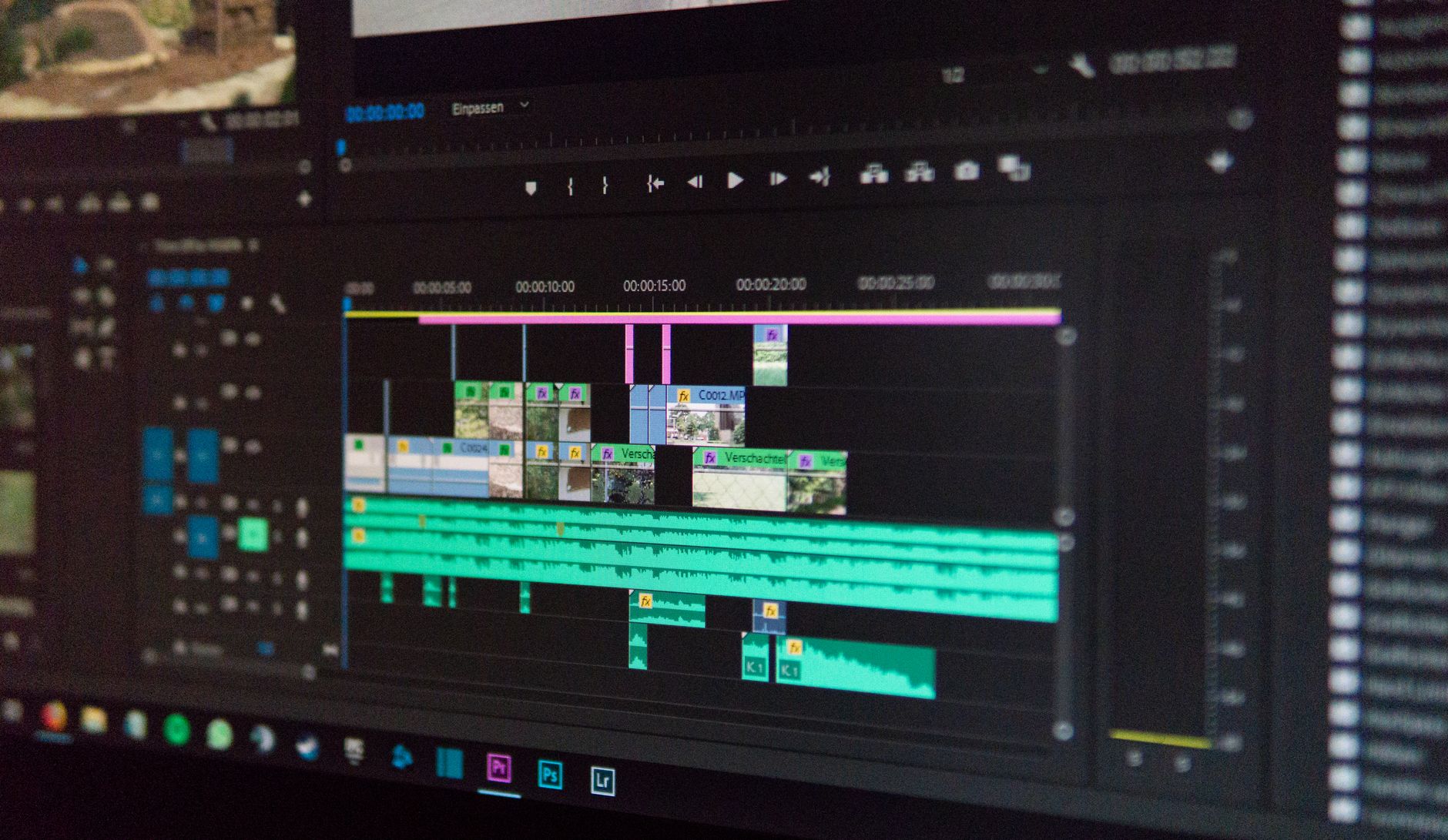
Velorn, a new open-source desktop application, aims to be the production layer around ComfyUI, turning the powerful but often unwieldy AI image and video generation platform into a full-fledged video editing workstation. The app, released under the GPL v3, is positioned not as a replacement for ComfyUI but as the glue that connects planning, generation, asset management, timeline editing, and export into a single project-based workflow.
At its core, Velorn offers a familiar non-linear editing experience: a timeline, captions generated from edited audio, export presets with hardware acceleration, and a stock tab for pulling in Pexels assets. But the real differentiator is its deep integration with ComfyUI, both for human users and for AI agents. For humans, Velorn can browse the official ComfyUI template catalog (500+ templates), launch workflows into an embedded ComfyUI tab, and send the results back into the timeline. A bundled bridge even allows a graph open in ComfyUI to be sent back into Velorn, enabling a more interactive workflow.
For agents, Velorn ships a local MCP server with over 100 tools designed for Codex, Claude Code, Cursor, and other MCP clients. These tools let agents inspect the open project, preview timeline frames, troubleshoot ComfyUI setup, queue approved generation work, and start exports. Agents can also analyze and install community ComfyUI workflows, handling missing custom nodes and models after user approval. The MCP interface emphasizes safety: most write tools support a preview step, and potentially destructive filesystem changes require explicit user approval.
Velorn is very much a developer-oriented tool, with an Electron-based codebase that can be run in dev mode (npm run dev). It requires a local ComfyUI instance for all generation features, and the documentation is upfront about the hardware demands—heavy video workflows may need 24 GB+ VRAM. This makes Velorn a compelling choice for developers and power users who are already comfortable with ComfyUI and want to build a more structured editing pipeline around it, but it may be a barrier for less technical creators.
The project is at an early stage (version 0.2.1), and its roadmap is still being defined. However, its focus on agent-driven editing via MCP is a clear signal of where the industry is heading: AI-assisted workflows that don't just generate content but also manage the complex, multi-step process of assembling a finished video. For developers, Velorn is a promising example of how open-source tools can bridge the gap between raw AI generation and practical production.
Key Features for Developers
- MCP Server: 100+ tools for agent-driven editing, generation, and project management.
- ComfyUI Integration: Launch workflows, browse templates, and send results back to the timeline.
- Custom Workflows: Import and run your own ComfyUI workflow JSONs, with endpoint nodes for timeline integration.
- Export Control: Presets, hardware acceleration, PNG sequence export, and project-aware settings.
- Open Source: GPL v3, with an active development roadmap and contribution guidelines.
To get started, download the packaged app from the GitHub Releases page. For developers who want to contribute or customize, the source is available at github.com/VelornLabs/velorn, and development follows the standard Electron workflow.
A Production Layer, Not a Replacement
Velorn's tagline, "the production layer around ComfyUI," is an apt description. It doesn't try to simplify ComfyUI's complexity; instead, it provides the scaffolding to make that complexity usable in a real editing context. For those who already live in the ComfyUI ecosystem, Velorn could be the missing piece that turns experimental generation into repeatable, project-based work.
One caveat: the current feature set is heavily tied to ComfyUI, and the hardware requirements for video workflows are steep. But for a devtools audience, that's less a limitation and more an invitation to tinker. The MCP integration, in particular, opens up interesting possibilities for building custom automation around video production.
The Bottom Line
Velorn is a bold, ambitious open-source project that sees a future where AI agents don't just help with editing—they handle entire production pipelines. It's early days, but the architecture is thoughtful, and the developer experience is clearly a priority. If you're a developer interested in AI-assisted video editing, Velorn is well worth a look. You can follow its progress on GitHub, where the team is actively addressing issues and releasing patches.
Get the signal, not the noise.
One short email when it matters. No recaps of recaps.
SHARE
RELATED

[tooling] ·
Cua releases open-source computer-use agent stack and CUA-S1 models

[tooling] ·
MaskShift Launches: A Zero-Dependency, Model-Agnostic Coding Harness for the Terminal

[tooling] ·
Agentic Ship: An Open-Source Toolkit to Replace Hosted AI Builders

[tooling] ·
Hexis: A Git-Backed Control Plane for Managing AI Agent Skills and Permissions

[tooling] ·
Goose Accelerates Release Cadence with v1.47 and v1.49 Updates

[research] ·