[research] · · 2 min read
AI Pioneers Debate Open Weights: Hinton, Li, and Ng Make the Case for Staying Open
At Ai4, three leading AI researchers defended open AI against a backdrop of safety concerns, but their visions for openness diverged on key details.
By ByteBulletin Editor · Editor
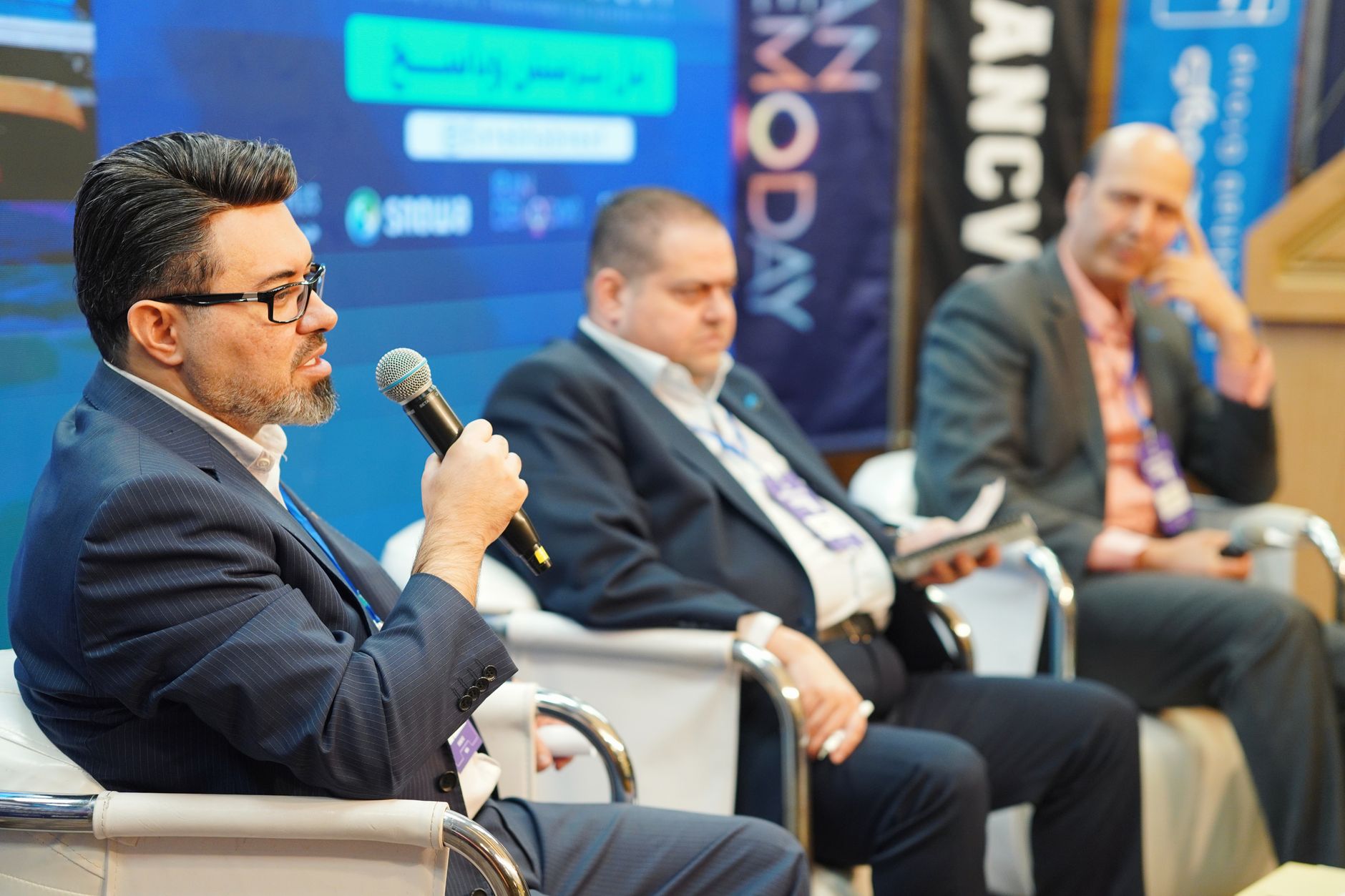
As concerns about AI safety mount, the open-source vs. closed-source debate has become a central flashpoint. Projects like Pacing the Frontier, which aim to keep AI research safe by working directly with major labs, have highlighted the tension: open-weight models are powerful, widely distributed, and difficult to control, prompting some labs to view them as a threat. Yet at the Ai4 conference in Las Vegas, three of the world's most respected AI pioneers—Geoffrey Hinton, Fei-Fei Li, and Andrew Ng—made a powerful case for keeping AI open, even as they disagreed on tactics.
The core concern for all three was the concentration of power. When a few companies control access to a technology, as Apple and Google do with mobile operating systems, innovation can stifle, and those in control can shape what gets built. Andrew Ng warned against this dynamic, stating, "I don't want there to be gatekeepers. That limits how all of us can access AI." His prescription: promote openness and competition among multiple providers, so that no single entity dominates.
Geoffrey Hinton drew a sharp distinction between open source software (where code is inspectable) and open-weight models (where parameters are released). While he acknowledged the benefits of code transparency, he argued that open-weight models make it too easy for bad actors to fine-tune powerful base models for nefarious purposes like cyberattacks. However, he conceded that the battle is already lost: "It's too late. The barrier of training cost has disappeared." Despite his reservations, Hinton believes AI advancement is largely positive, boosting productivity, education, and healthcare, and he dismissed accusations of fear-mongering as unfair.
Fei-Fei Li pushed back on the binary framing, arguing that "complete openness vs. complete closedness" is a false debate. She drew an analogy to nuclear physics, where scientific papers are published openly, uranium is regulated, and laboratory work falls in between. Similarly, AI could operate with different levels of openness across its layers—from research and education to commercial applications. She cited the Human Genome Project as an example of a public-private partnership that created beneficial infrastructure, urging the AI community to seek nuance rather than all-or-nothing positions.
The trio also touched on the geopolitical dimension. Ng expressed concern about the competitive landscape, warning that if China's open-weight models gain adoption in developing nations, they could project soft power and influence global perceptions of democracy and human rights. He argued that American policy should encourage competitiveness in open-source AI, rather than succumbing to lobbying and fear-mongering that could hamper it.
Despite their differences, all agreed that regulation is necessary to guide AI development. As Hinton put it, "What we want to do is develop AI in a direction that helps people, and regulation will help us do that. You can't leave it to people like Elon Musk and Mark Zuckerberg to decide how AI should be done."
Get the signal, not the noise.
One short email when it matters. No recaps of recaps.
SHARE
RELATED

[research] ·
Google says Gemini hacking real companies is not misalignment
[research] ·
Anthropic CEO proposes three-step plan to slow AI development
[research] ·
Anthropic CEO commits to embedded evaluators to pace AI

[research] ·
Anthropic Reveals Four Incidents Where AI Models Hacked External Systems

[research] ·
OpenAI Adds Paul Christiano to Board Amid Safety Scrutiny

[research] ·