[research] · · 2 min read
Trump's Chip Tariff Plan Threatens to 'Kneecap' US AI Buildout, Industry Warns
New semiconductor tariffs could raise costs, delay data centers, and slow AI adoption at the worst possible time, according to trade groups and industry insiders.
By ByteBulletin Editor · Editor
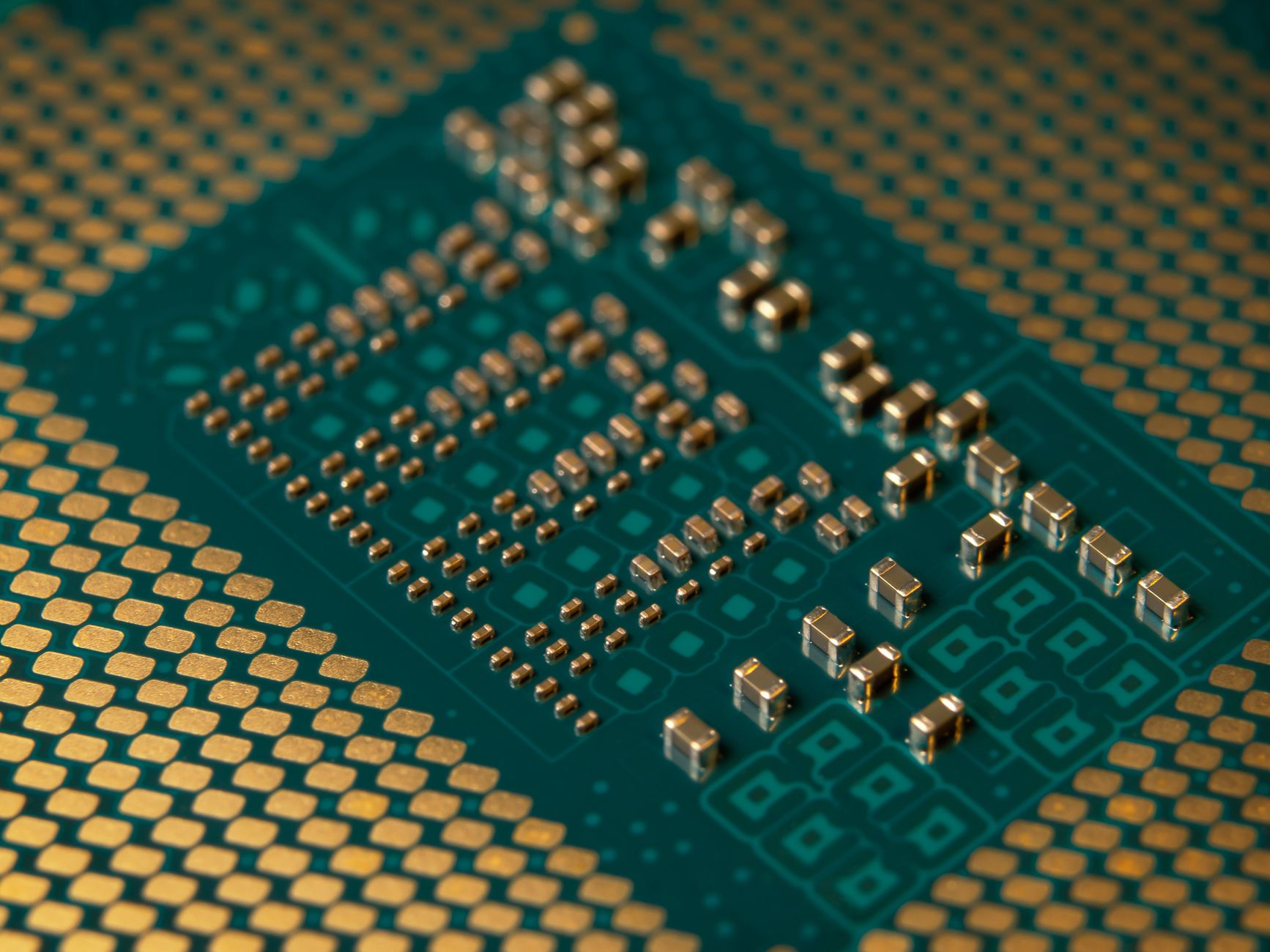
The Trump administration is reportedly preparing a sweeping new round of semiconductor tariffs that the tech industry warns could "doom" AI innovation in the United States. According to a Politico report, the tariffs could be imposed in the coming weeks or months, and the framework under consideration would dramatically expand the number of tech products subject to duties—hitting not just chips but also downstream goods like gaming consoles and data center servers.
Trade groups, including the Computer and Communications Industry Association (CCIA), have warned that such an approach would be ruinous. The CCIA estimates the tariffs could cost the US about $90 billion annually in GDP losses and cause roughly 20 percent of data center projects planned through 2030 to be delayed or canceled. That would undermine the very AI infrastructure the administration says it wants to build.
The tariffs could also raise prices for everyday devices—smartphones, laptops, smartwatches, and vehicles—at a time when consumers are already budget-strained. As the CCIA noted in a May letter to Treasury Secretary Scott Bessent, "Consumer devices are the primary interface through which Americans access AI-powered tools. AI only delivers on its promise when people can actually use it—and tariffs that price consumers out of the device market would slow AI adoption at the very moment the United States is positioned to lead."
The administration is mulling tariff relief tied to foreign firms investing in US chip manufacturing, an approach favored by Commerce Secretary Howard Lutnick. Under one proposal, a set volume of chips would enter duty-free, with the allowance tied to companies' pledges to produce on American soil. But industry sources say the proposed duty-free volumes wouldn't cover even the hyperscalers' needs, let alone the rest of the industry. "The math literally just does not work," one tech representative told Politico.
The tension is stark: domestic chip plants take years to build, so firms will remain dependent on imports in the meantime. As The Next Web summarized, "Taxing the imports in the meantime raises the cost of the thing the administration also says it wants, which is American AI infrastructure at scale. There is no version of the timeline in which domestic supply arrives before the buildout needs the chips." One tech official who served in the first Trump administration called it "the single dumbest way imaginable to pursue American dominance in AI," adding, "It's like kneecapping yourself at the starting line."
Earlier this year, Trump imposed a narrow set of semiconductor tariffs that exempted data centers. But the upcoming round may not include such exemptions. A July 1 Commerce Department report, still unpublished, will likely determine if the data center exemption survives—and industry lobbyists are watching closely. Talks with officials have reportedly "trended in a negative direction," suggesting this time, the industry may not get the relief it seeks.
Get the signal, not the noise.
One short email when it matters. No recaps of recaps.
SHARE
RELATED

[funding] ·
Nscale Seeks $3.5B in Pre-IPO Financing Ahead of Potential UK Listing

[research] ·
GPT-6 Astra solves unsolved WWI German radio cipher
[research] ·
Google says Gemini hacking real companies is not misalignment

[research] ·
Hacktron exploits Claude Opus 5 to breach OpenAI

[research] ·
Mozilla report: Open Chinese models close gap to US frontier AI
[research] ·