[launches] · · 2 min read
OpenAI Fires Back at Apple's Trade Secrets Lawsuit with Public 'Receipts'
The ChatGPT maker publishes messages and emails to counter Apple's allegations of stolen trade secrets and to sway public opinion.
By ByteBulletin Editor · Editor
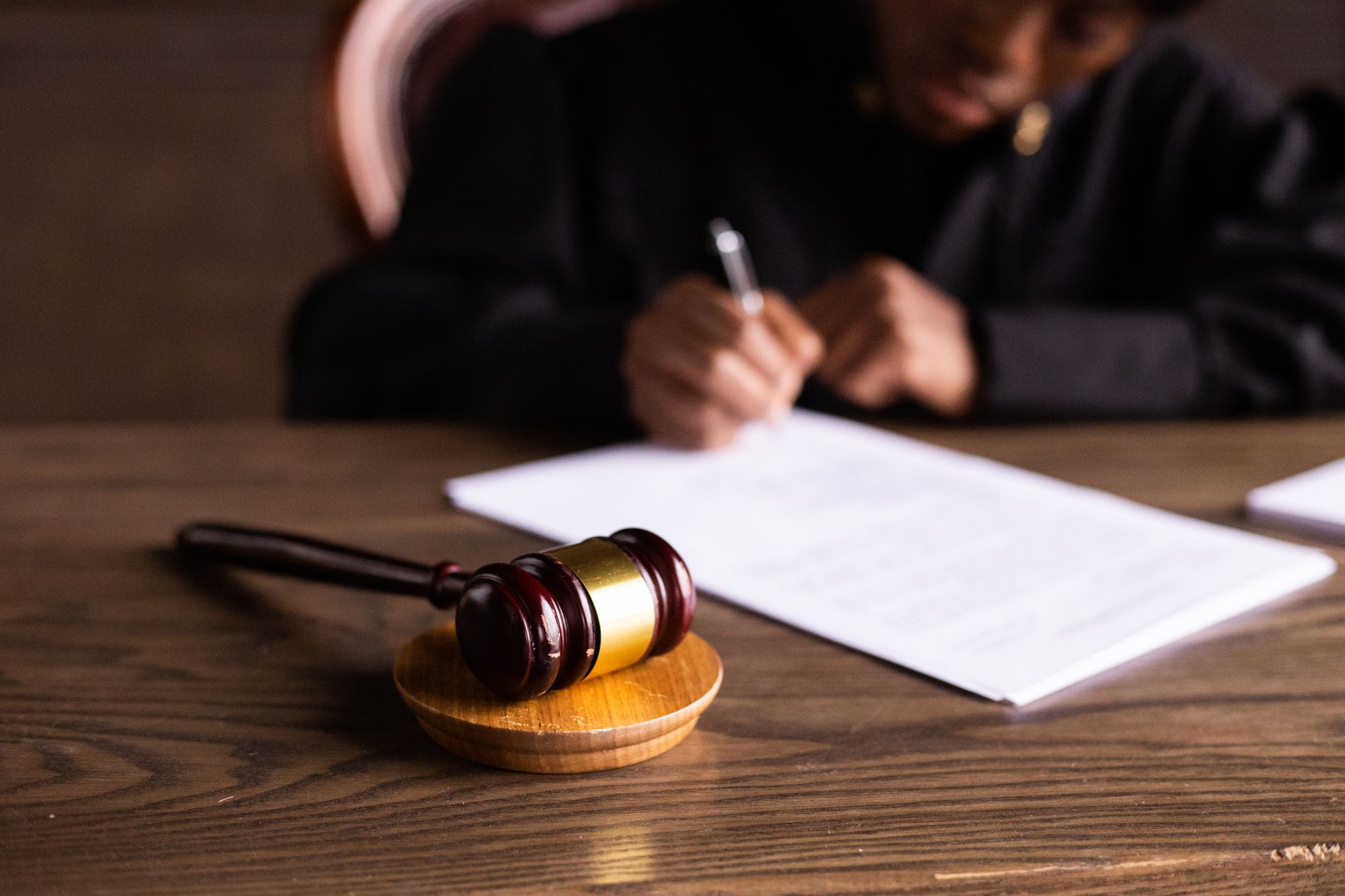
The legal battle between Apple and OpenAI has escalated beyond court filings. In a blog post titled "Apple is getting this wrong," OpenAI has publicly released message exchanges and emails in an attempt to counter Apple's allegations that it stole trade secrets. The move is a deliberate effort to shape the narrative in the court of public opinion, just as Apple seeks a preliminary injunction in the case.
Apple's lawsuit, filed last month, centers on two former Apple employees now at OpenAI: Chang Liu, a former iPhone engineer on OpenAI's technical team, and Tang Tan, a 25-year Apple veteran and now OpenAI's chief hardware officer. Apple alleges they took confidential information about unreleased technologies to advance OpenAI's hardware plans. The company has asked for a preliminary injunction to prevent Liu, Tan, and OpenAI from using or disclosing any alleged confidential information.
OpenAI's blog post disputes these claims, stating, "Apple's request for a preliminary injunction is both based on false information and completely unnecessary because we do not have, nor want, any of their trade secrets." The company argues that Apple's own filings contradict key assertions. For instance, on the accusation that Liu accessed Apple's cloud storage after leaving, OpenAI points out that Apple "now admits that Apple employees reached out to him and asked for his help to locate this information." OpenAI frames the 'residual access' issue as a common problem caused by Apple's failure to properly manage system access when employees depart.
Regarding Tan, Apple alleged he solicited confidential information while interviewing Apple employees. OpenAI counters that Tan "has always been clear with the team that we do not want, and must not use, any confidential information." OpenAI also refutes claims that it ignored Apple's initial inquires, saying Apple "now admit that their outside lawyers emailed the wrong person after confusing two Asian last names" and that no conversation with OpenAI's General Counsel ever took place.
This public airing of receipts may not be a formal legal response, but it is a sharp tactical move. By highlighting inconsistencies and humanizing the accused individuals, OpenAI is attempting to build public sympathy and pressure Apple to back down. It also signals that OpenAI is prepared to fight back aggressively, both in court and beyond.
While this is a general tech story, it holds significance for developers and companies building on AI platforms. OpenAI's handling of this dispute could set precedents for how talent moves between major tech firms, especially as competition for AI expertise intensifies. The outcome could influence how companies protect intellectual property while navigating an increasingly fluid job market for top engineering talent.
Get the signal, not the noise.
One short email when it matters. No recaps of recaps.
SHARE
RELATED
[launches] ·
Apple Simplifies EU App Store Fees to 5% for Alternative Distribution

[launches] ·
John Ternus Becomes Apple CEO, Replacing Tim Cook in Major Leadership Shift

[research] ·
Hacktron exploits Claude Opus 5 to breach OpenAI

[models] ·
GPT-5.6 Luna vs GPT-6 Astra: Code Review Cost and Accuracy

[tooling] ·
OpenAI agents linked to RubyGems hack and API key theft attempts

[research] ·