[launches] · · 1 min read
Mixar launches AI-native Blender workspaces with purpose-built workbenches
Mixar's new browser-based tool rethinks Blender with task-specific rooms for texturing, UV mapping, and modeling, each tuned for AI-assisted workflows.
By ByteBulletin Editor · Editor
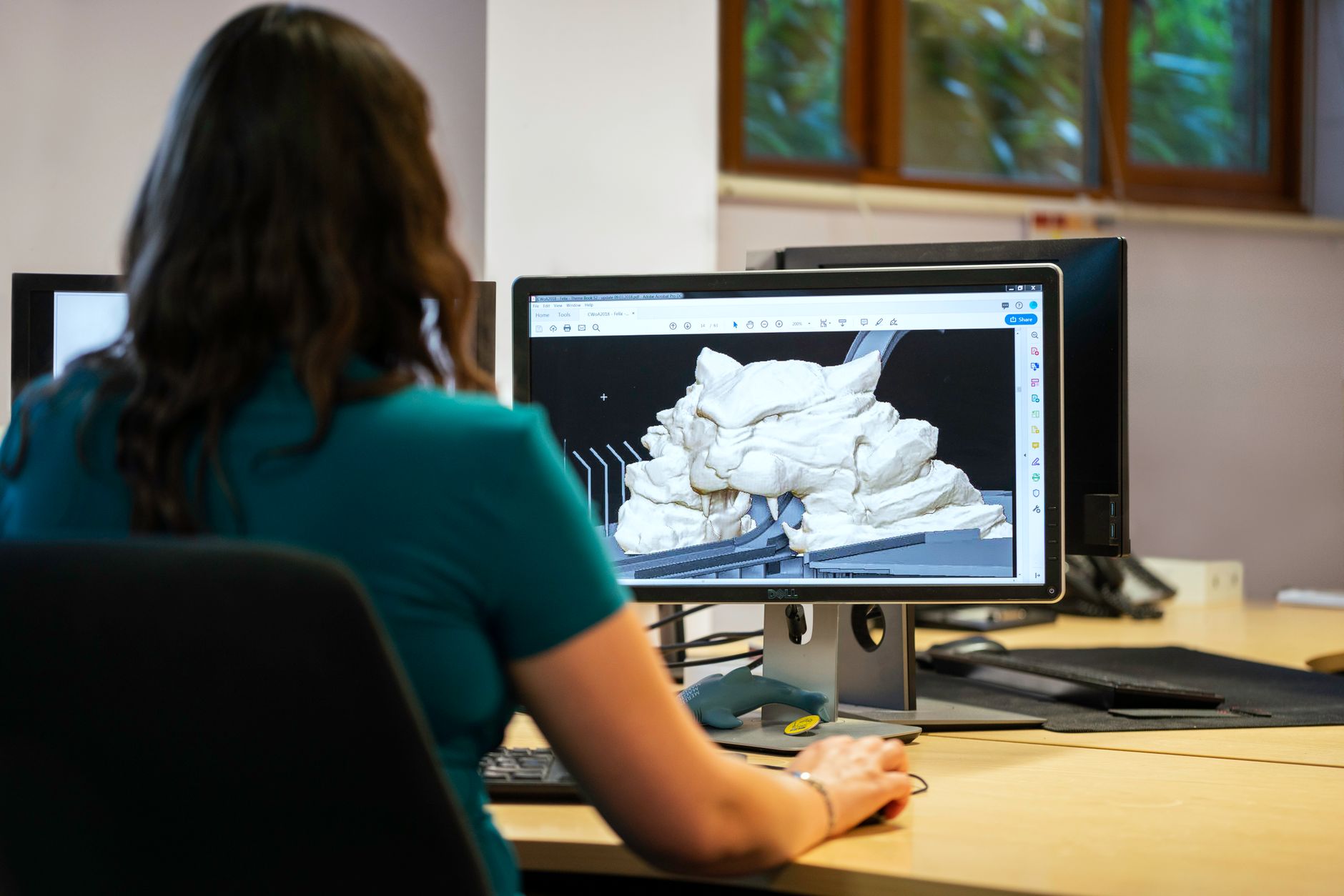
Mixar, a new browser-based platform, is betting that the future of 3D modeling lies not in cramming every feature into a single viewport, but in dividing the work into purpose-built rooms. Each workspace in Mixar is a dedicated workbench, not a layout preset. The texturing room offers stencil painting, the UV room provides live island packing, and the modeling room includes retopo overlays. For developers and artists who have grown accustomed to Blender's idiosyncratic layout, this is a significant departure.
The launch signals a broader trend: as AI coding tools like GitHub Copilot and Cursor reshape software development, similar AI-assisted workflows are coming to content creation. Mixar's approach — focusing on specific tasks in dedicated spaces — could make AI integration more intuitive. Instead of a generic prompt bar floating over a dense UI, the AI assistant is contextual to the room you're in. In the texturing room, it suggests stencil placements; in the UV room, it optimizes island packing.
For a developer, the implications extend beyond the artist's workstation. Mixar is built for the browser, which means it can hook into existing pipelines, version control, and automation tools more easily than a standalone desktop app. The company hasn't detailed its API yet, but the architecture suggests a plugin ecosystem and scripting interface could follow. That would open the door to programmatic 3D asset generation, automated texture batching, or even custom AI model integration.
The real test will be whether artists adopt the new metaphor. Blender's tabbed layout has a steep learning curve, but it's also a muscle memory honed over years. Mixar is gambling that the clarity of purpose-built rooms outweighs the familiarity of the old one. Early adopters in the HN thread are cautiously optimistic, praising the UI's polish while questioning whether the AI features are genuinely transformative or just novelty. Time will tell, but the shift toward task-centric, AI-enhanced tools is a trend worth watching.
Get the signal, not the noise.
One short email when it matters. No recaps of recaps.
SOURCES
SHARE
RELATED
[launches] ·
Anthropic merges Claude chat and Cowork into one interface

[research] ·
Coding agents have strong brand biases, but a 'simulated human' in the loop changes the winners

[launches] ·
Cline v4.1.18 and CLI 3.0.62 ship Desktop app and major SDK updates
[launches] ·
Kungfu Launches Agent Handoff Protocol to Eliminate Context Loss

[launches] ·
Apple Simplifies EU App Store Fees to 5% for Alternative Distribution

[launches] ·