[launches] · · 2 min read
Jack Dorsey launches Buzz, an open-source Slack rival built for humans and AI agents
The new group chat platform from Block aims to unify team communication, project management, and AI agent workflows in one decentralized, model-agnostic app.
By ByteBulletin Editor · Editor
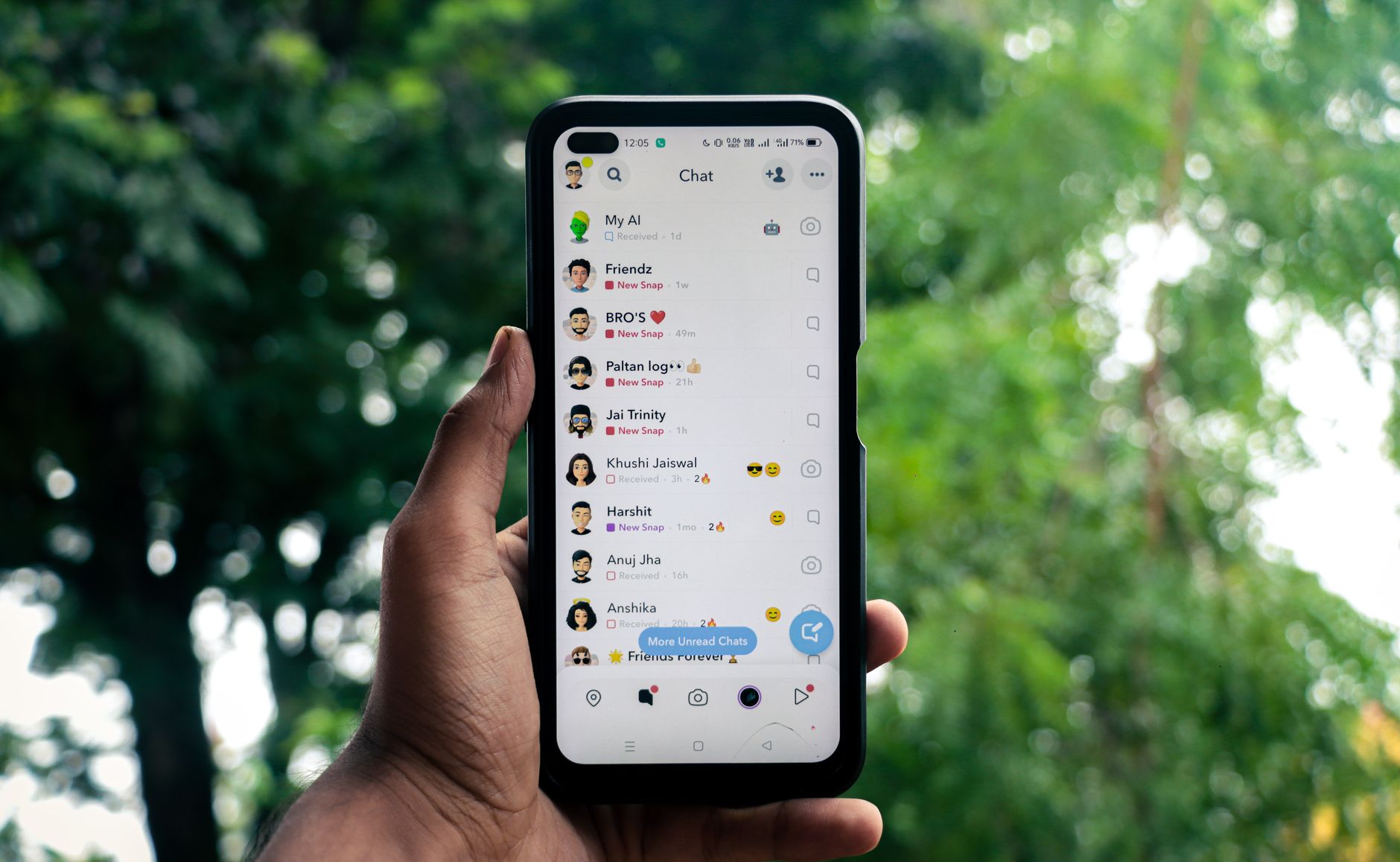
Jack Dorsey’s latest venture into workplace communication is here. On Tuesday, the Twitter and Block co-founder announced Buzz, a group chat platform designed to compete with Slack and GitHub by placing both human teammates and their AI agents into the same conversations.
Dorsey described Buzz on X as “model-agnostic, decentralized, self-sovereign, and open source.” The app, built by Block (the company behind Square, Cash App, Afterpay, and Tidal), is available now as a free desktop app for macOS, Windows, and Linux, with its source code hosted on GitHub.
What makes Buzz different?
At first glance, Buzz looks a lot like Slack. But its core value proposition is merging several workflows—chat, project management, and AI agent interactions—into a single window. As startups increasingly rely on AI agents to automate tasks, Buzz lets those agents participate natively in group chats, alongside human coworkers. This could reduce the friction of switching between Slack, GitHub Issues, CI/CD dashboards, and agent orchestration tools.
Being open source means teams can customize their own Buzz instance. If a feature is missing, developers can build and deploy it without waiting on a vendor roadmap. This appeals to teams that want full control over their collaboration infrastructure.
Not the only player in the space
Buzz enters a growing field of AI-native collaboration tools. Paradigm CTO Georgios Konstantopoulos recently unveiled Centaur, an open-source “virtual employee” that operates inside Slack or via an API. Where Centaur integrates with existing Slack workspaces, Buzz aims to replace Slack entirely—a bolder, but potentially higher-friction, path.
For teams already locked into Slack’s ecosystem, migrating to an early-stage product like Buzz may not be practical yet. But for newer startups building agent-heavy workflows from scratch, Buzz offers a compelling, self-sovereign alternative.
Early days
Buzz’s website acknowledges the platform is in its “early stages,” so reliability and feature completeness are open questions. Still, the vision—a decentralized, open-source chat platform where humans and agents coexist—signals where workplace collaboration may be headed. Developers and ops teams who value sovereignty over their tools should keep an eye on this one.
Get the signal, not the noise.
One short email when it matters. No recaps of recaps.
SHARE
RELATED

[tooling] ·
Goose Accelerates Release Cadence with v1.47 and v1.49 Updates
[launches] ·
Kungfu Launches Agent Handoff Protocol to Eliminate Context Loss

[launches] ·
Superserve Launches Durable MicroVMs for Stateful AI Agents

[launches] ·
Maritime Launches Isolated Micro-VM Platform for Scaling Customer-Facing AI Agents

[tooling] ·
OpenAI agents linked to RubyGems hack and API key theft attempts

[tooling] ·