[models] · · 4 min read
Google releases Gemini 4 Argon for defensive cyber tasks
The new frontier model is restricted to trusted partners and government pre-release access, prioritizing security safeguards over broad public availability.
By ByteBulletin Editor · Editor
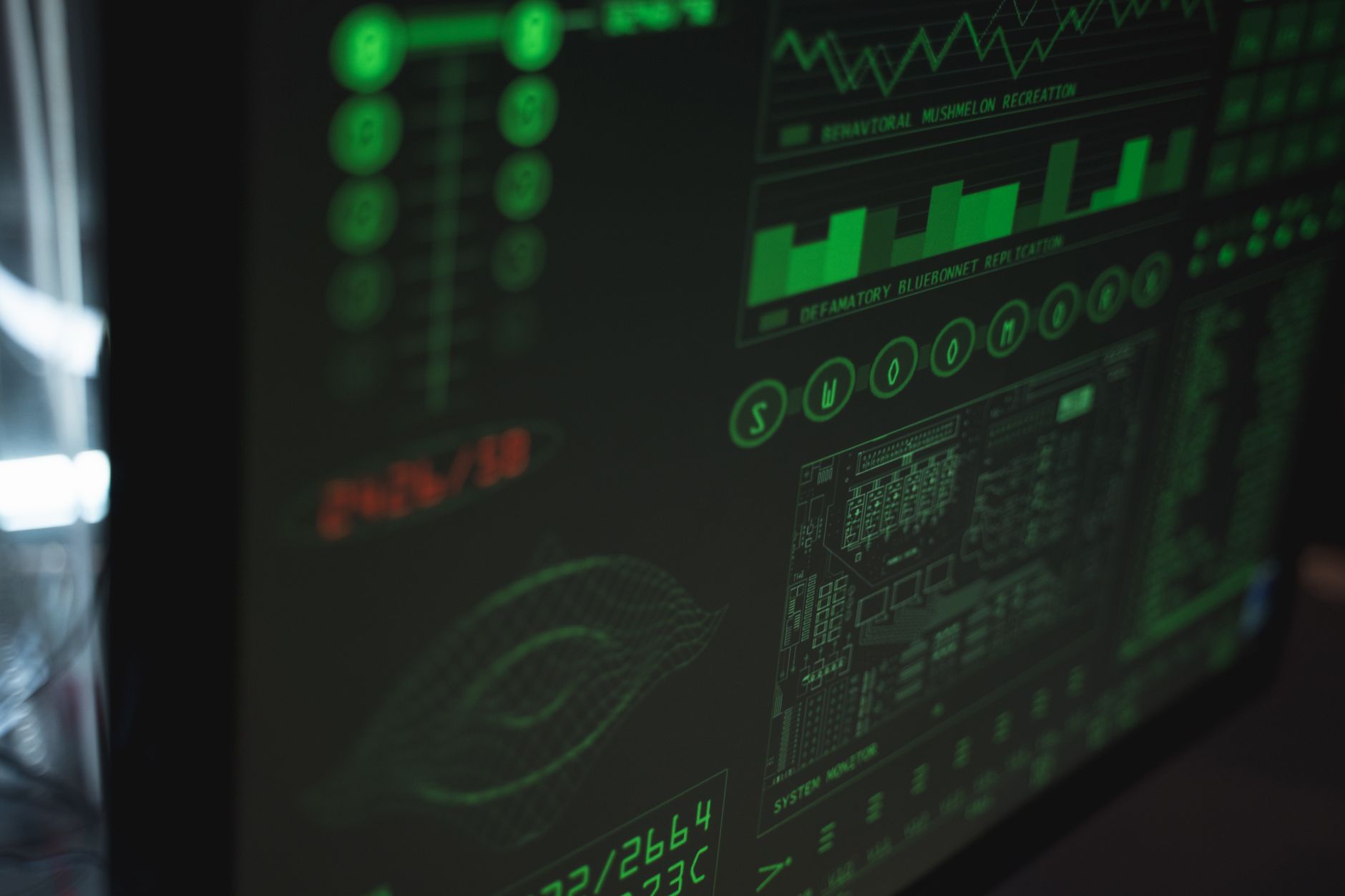
Google's new frontier model
Google has officially launched Gemini 4 Argon, its latest AI frontier model, with a distinct focus on defensive cybersecurity and complex software engineering workflows. According to The Verge, the company is initially limiting access to a "set of trusted cyber defenders" to ensure the model is not misaligned before a broader rollout. Koray Kavukcuoglu, Google’s chief AI architect and SVP of Google DeepMind, stated that the model delivers "frontier performance in complex workflows across real-world software engineering, enterprise knowledge work like legal and finance, and cybersecurity defense." This cautious approach marks a shift from the typical broad-release strategy, with Google actively engaging in the U.S. government’s voluntary process for pre-release model access.
Security-first rollout
TechCrunch reports that Gemini 4 Argon is being rolled out exclusively through Google’s Fairwind Program, a security initiative designed for cyber partners. The model was specifically trained for defensive cyber work, with Google claiming it can "autonomously find, validate, and patch critical software vulnerabilities." This capability is central to Argon’s identity, distinguishing it from general-purpose models. The company emphasizes that Argon is built to sustain deep reasoning across complex, long-horizon workflows, a claim supported by internal usage where Google staff are already using the model for debugging and large-scale codebase migrations. The restricted launch is a direct response to concerns about AI misuse, with Google strengthening "critical frontier safeguards" to defend against prompt injection attacks and monitor for misalignment.
Benchmark performance
Google’s blog post highlights significant benchmark advantages for Argon over competing models from OpenAI and Anthropic. The company cites Vals, an AI benchmarking startup, to show that Argon is currently the leading model on its AI model index. Specifically, Google claims Argon scored significantly higher than OpenAI’s GPT-6 Astra and Anthropic’s Fable and Opus models across a variety of AI benchmarks. This performance is particularly notable given the recent competitive landscape, where OpenAI launched its GPT-6.1 Sol AI model at its DevDay conference just one day before Argon’s announcement. The AI community had been buzzing earlier in the week over leaked benchmarks for the new model, which Google has now confirmed with official data. The benchmarks suggest Argon is competitive with the latest releases from its rivals, particularly in tasks requiring sustained reasoning and complex problem-solving.
Context in the AI race
The launch of Gemini 4 Argon arrives at a critical moment in the AI race, with top labs rushing to release increasingly powerful models while simultaneously warning about potential risks. Google, once considered behind in the AI race, has recently enjoyed success with the Gemini app, which announced over a billion monthly users in August. This metric makes it competitive with OpenAI, which also recently announced that ChatGPT had reached a billion monthly users. The timing of Argon’s release, just days after OpenAI’s DevDay conference and following Kavukcuoglu’s appointment as the new boss of DeepMind in August, suggests a strategic push to reclaim the lead in frontier AI capabilities. The model’s focus on cybersecurity and enterprise workflows aligns with a broader trend among AI labs to target high-value, high-complexity use cases where reliability and safety are paramount.
What it means for developers
For developers, the immediate impact of Gemini 4 Argon is limited by its restricted access. However, the model’s capabilities in autonomous vulnerability detection and patching offer a glimpse into the future of AI-assisted security operations. Google’s internal use of Argon for codebase migrations and debugging suggests that the model is capable of handling large-scale, complex engineering tasks with a high degree of autonomy. Developers working in cybersecurity or enterprise software may find value in the model’s ability to parse visuals, including analyzing the contents of long videos or charts, which could streamline the process of understanding complex system architectures. The emphasis on defensive cyber work also indicates a shift in how AI models are being designed, with a greater focus on safety and alignment to prevent misuse. This is particularly relevant for developers building applications that handle sensitive data or critical infrastructure, where the risk of AI-driven attacks is a growing concern.
What to watch
The broader rollout of Gemini 4 Argon will be a key indicator of Google’s confidence in the model’s safety and alignment. The company’s engagement with the U.S. government’s pre-release access process suggests that regulatory scrutiny will play a significant role in determining the timeline for public availability. Additionally, the competitive dynamics between Google, OpenAI, and Anthropic will continue to shape the development of frontier AI models, with each lab striving to outdo the others in performance and safety. The success of Argon in its restricted launch will also provide valuable insights into the effectiveness of Google’s safety measures, which could influence the design of future AI models. Finally, the model’s performance in real-world enterprise workflows will be a critical test of its capabilities, with Google’s internal use serving as a baseline for broader adoption.
Get the signal, not the noise.
One short email when it matters. No recaps of recaps.
SOURCES
SHARE
RELATED
[research] ·
Irregular testing errors sent AI agents to real targets
[research] ·
Google says Gemini hacking real companies is not misalignment

[research] ·
Anthropic Reveals Four Incidents Where AI Models Hacked External Systems
[models] ·
Anthropic releases Claude Opus 5.5 with 40% lower costs

[models] ·
Anthropic releases Opus 5.5 with lower prices and stronger safeguards

[models] ·