[tooling] · · 2 min read
Cline Desktop v0.0.10: A Patchwork of Fixes for the AI Coding Agent's Native App
Cline ships another incremental update to its desktop client, tightening the experience with a batch of bug fixes and stability improvements.
By ByteBulletin Editor · Editor
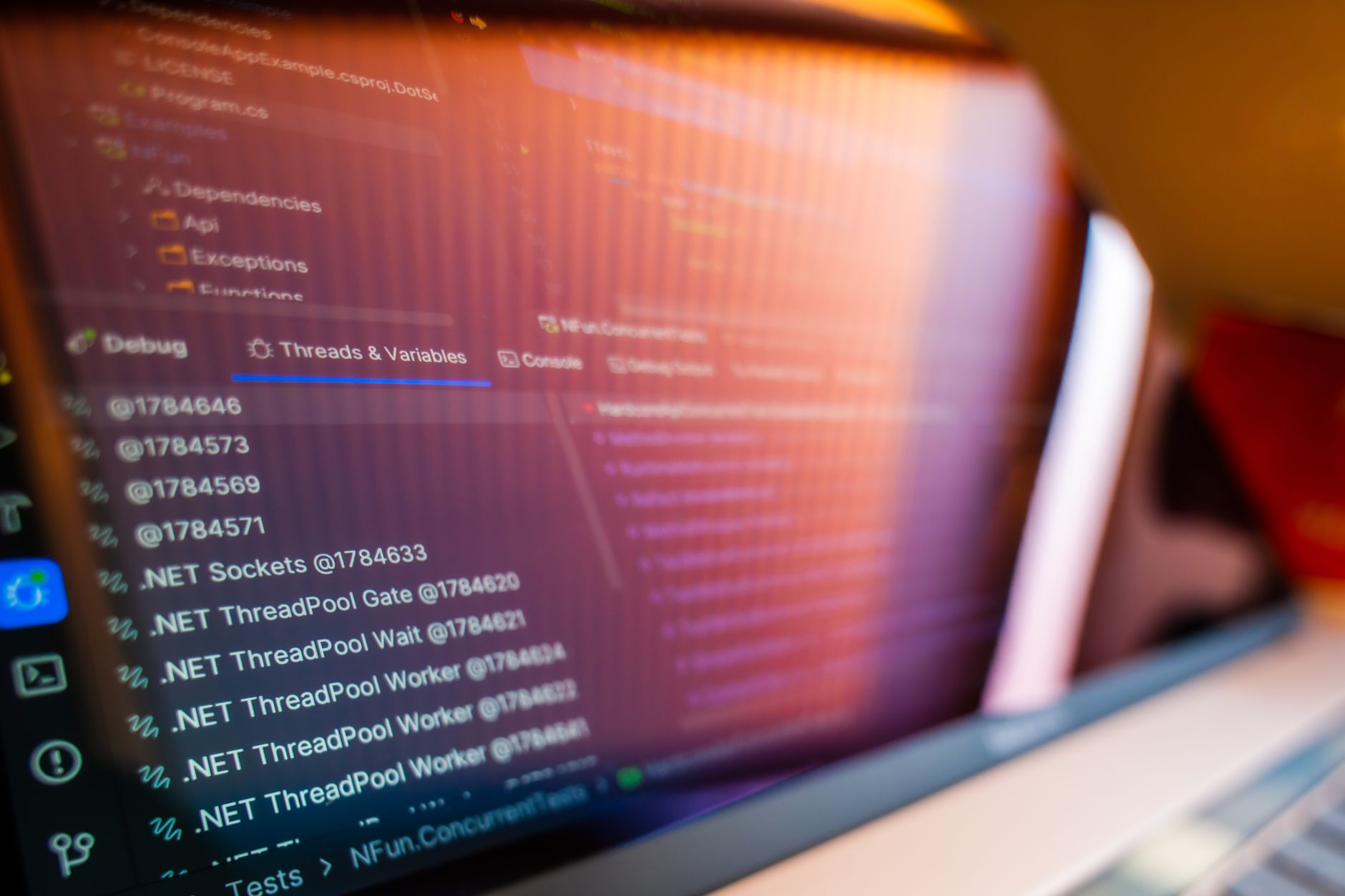
Cline, the open-source AI coding assistant that has carved out a niche as a terminal-first alternative to tools like GitHub Copilot, continues to mature its native desktop app. The latest release, desktop-v0.0.10, is a relatively quiet one — the changelog is sparse, with only a handful of fixes and a link to a full diff for the curious. But in the fast-moving world of AI devtools, even a patch release can signal where a project is heading.
The desktop client for Cline aims to bring the assistant out of the browser and into a dedicated workspace, an increasingly common move for AI coding tools that want to feel more like a first-class citizen on a developer's machine. This update, while minor on the surface, addresses stability issues that would otherwise interrupt flow — the kind of friction that matters when you're relying on an agent to handle multi-file edits or long-running tasks.
What's in the release?
While full details of the fixes aren't enumerated in the release notes, the pattern of a v0.0.x version bump suggests this is about polish rather than new features. For developers using Cline Desktop daily, such updates are the quiet work that keeps the tool dependable. The release also serves as a reminder that Cline's development pace remains brisk, with regular iterations that bundle both feature work and stability.
For teams folding Cline into their workflow, the takeaway is straightforward: keep your installation current. The project's commitment to frequent, incremental releases means that staying on a rolling release is the best way to benefit from fixes without waiting for a major version jump. As Cline continues to grow — it has become a favorite among developers who want a local-first, privacy-conscious AI assistant that can handle complex coding tasks — the desktop client is likely to become an increasingly important part of the experience.
The bigger picture
Cline's evolution reflects a broader trend in the AI coding space: moving from simple chat-based suggestions to autonomous agents that can plan, code, and debug within a dedicated environment. The desktop app is a key piece of that vision, offering a persistent home for the agent's activities. While this patch is small, it's a sign that the team is investing in making that home stable enough for serious daily use.
Developers who are already using Cline Desktop will benefit from this update, and those on the fence might see it as a signal that the project is steadily ironing out the kinks. For a tool that aims to be an always-on coding partner, reliability is paramount — and that's exactly what v0.0.10 aims to deliver.
Get the signal, not the noise.
One short email when it matters. No recaps of recaps.
SHARE
RELATED

[tooling] ·
Cline Desktop v0.0.26 Released with Stability Fixes
[tooling] ·
Cline Desktop Accelerates Release Cadence in Latest Iterations

[launches] ·
Cline v4.1.18 and CLI 3.0.62 ship Desktop app and major SDK updates
[tooling] ·
Cua releases open-source computer-use agent stack and CUA-S1 models

[tooling] ·
This week in AI dev tools: Agents breach boundaries and benchmarks (Sep 14–20, 2026)

[tooling] ·