[tooling] · · 1 min read
Cline Desktop Accelerates Release Cadence in Latest Iterations
Recent updates to the Cline desktop application signal a push toward stability and feature refinement in the AI coding assistant space.
By ByteBulletin Editor · Editor
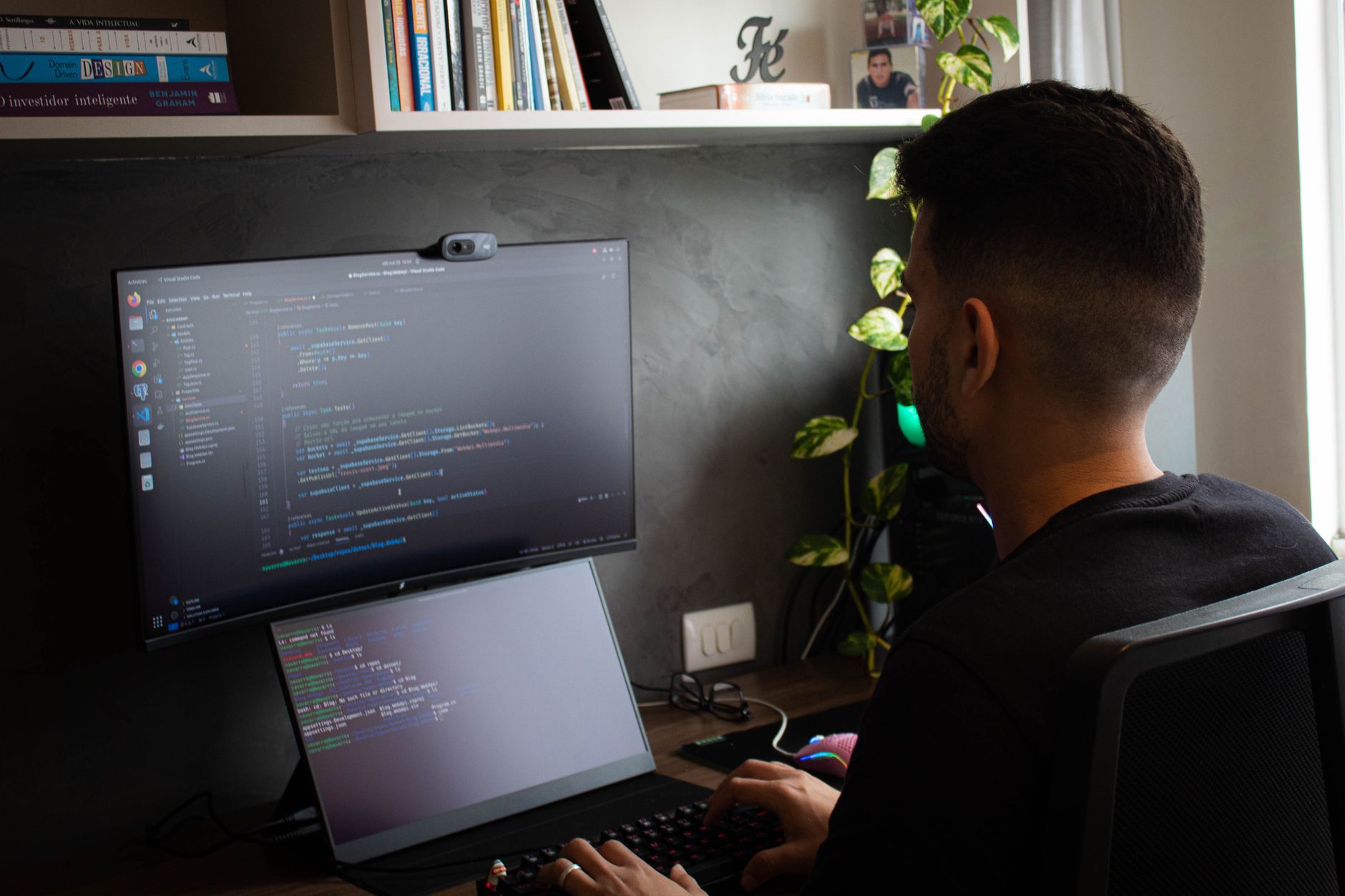
The Cline project, known for its AI-powered coding capabilities, has recently accelerated its development cycle with the release of desktop versions v0.0.21 and v0.0.23. These consecutive releases indicate a focus on rapid iteration and continuous improvement for the desktop client, which serves as a primary interface for developers integrating AI into their workflows.
While specific changelogs for these versions faced loading issues in the source data, the progression from v0.0.20 to v0.0.23 suggests a steady stream of bug fixes, performance enhancements, and potentially new features aimed at refining the user experience. This release cadence is typical for tools in the early-to-mid stage of development, where frequent updates are necessary to address user feedback and adapt to evolving AI model capabilities.
For developers, this rapid iteration means that the Cline desktop application is actively evolving, with each release likely bringing incremental improvements to how AI-assisted coding is performed. The focus on the desktop platform highlights Cline's commitment to providing a robust, standalone environment for AI coding tasks, complementing its other integrations and extensions.
Get the signal, not the noise.
One short email when it matters. No recaps of recaps.
SOURCES
SHARE
RELATED

[tooling] ·
Cline Desktop v0.0.26 Released with Stability Fixes

[launches] ·
Cline v4.1.18 and CLI 3.0.62 ship Desktop app and major SDK updates

[tooling] ·
MaskShift Launches: A Zero-Dependency, Model-Agnostic Coding Harness for the Terminal
[tooling] ·
Agentic Ship: An Open-Source Toolkit to Replace Hosted AI Builders

[tooling] ·
TRMNL e-ink dashboard tracks Claude Code and Codex usage locally

[funding] ·