[tooling] · · 1 min read
Claude Code Proxy Lets You Route Anthropic's CLI to OpenAI, Kimi, Grok, or Cursor
An open-source proxy replaces Anthropic's backend with alternative providers like Codex, Kimi K2.6, or Grok, bypassing usage caps while keeping Claude Code's UX.
By ByteBulletin Editor · Editor
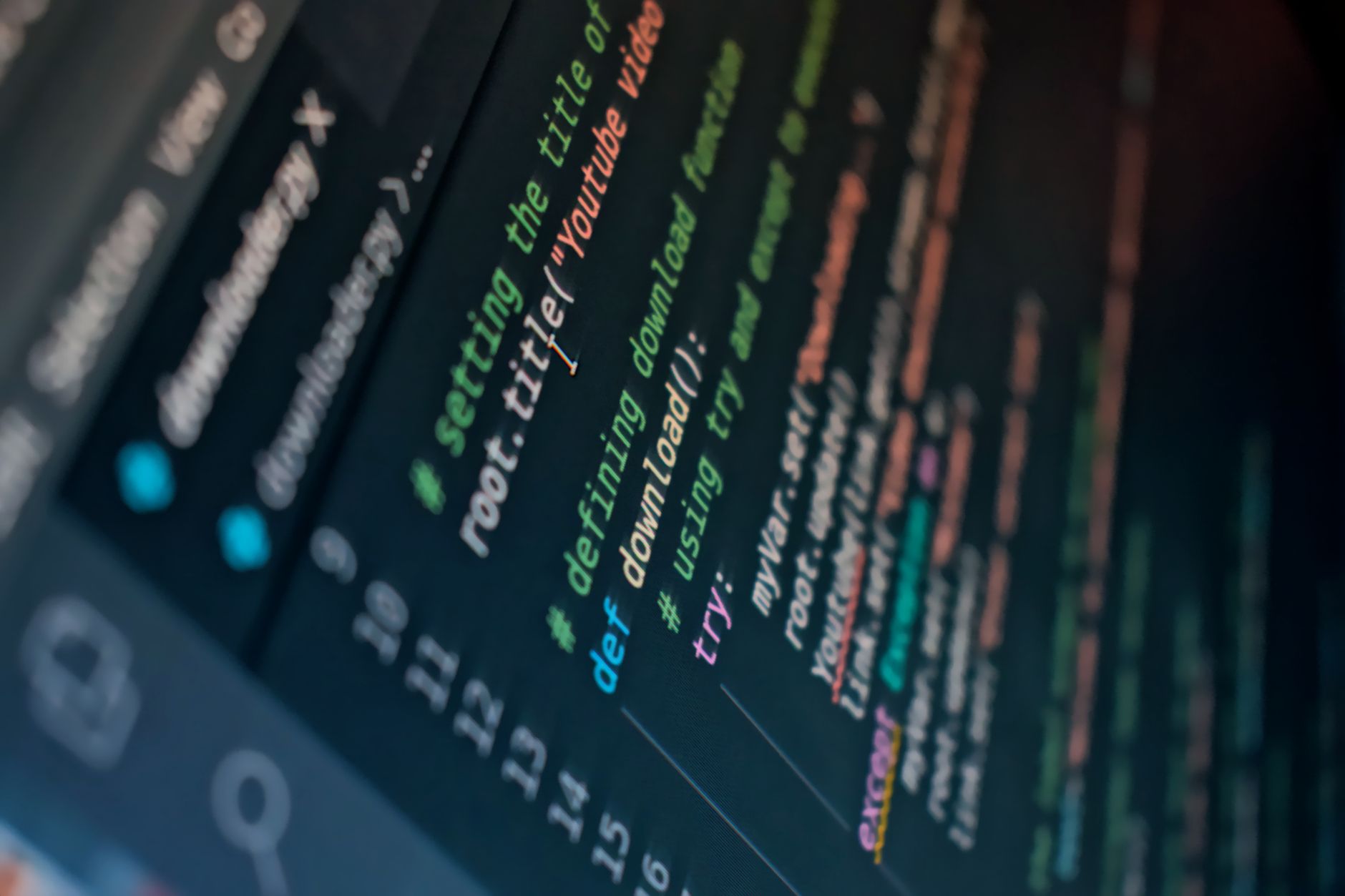
Anthropic's Claude Code is widely regarded as the best terminal-based coding agent, but its tightening usage limits have frustrated heavy users. A new open-source tool, claude-code-proxy, offers a workaround: it intercepts Claude Code's API calls and reroutes them to alternative providers including OpenAI's Codex (via ChatGPT Plus/Pro), Kimi's K2.6 model, Grok, or Cursor's agent.
The proxy acts as a local man-in-the-middle. You run it on 127.0.0.1, authenticate with your chosen provider, and set environment variables like ANTHROPIC_MODEL and ANTHROPIC_SMALL_FAST_MODEL to select the upstream. For example, setting ANTHROPIC_MODEL=gpt-5.6-sol sends requests to OpenAI's Codex Responses API, while kimi-for-coding routes to Kimi's chat-completions endpoint. The proxy also supports provider-specific features: reasoning effort is forwarded as Codex reasoning.effort or Kimi reasoning_effort, and Codex's native web search tool is translated into Anthropic-compatible tool-use blocks.
Configuration is straightforward but has some gotchas. The [1m] suffix on model names (e.g., gpt-5.6-sol[1m]) hints Claude Code to use a larger compaction threshold, preventing premature context trimming. For Codex, setting CLAUDE_CODE_AUTO_COMPACT_WINDOW=372000 aligns with the official 372K-token window of GPT-5.6 Codex models. The project also provides a helper script to toggle between the proxy and direct Anthropic usage, preserving existing subscriptions as a fallback.
OpenAI's Thibault Sottiaux has publicly welcomed the proxy, stating users are free to use Codex through other harnesses. The project is actively maintained and already tested with ChatGPT Plus and Pro tiers, supporting models like GPT-5.6 Sol and Luna.
Limitations
Not all Claude Code features work seamlessly. Background requests for session titles or token counts use a hardcoded “haiku” model ID that must be overridden via ANTHROPIC_SMALL_FAST_MODEL. The proxy only binds to localhost, and users must disable Claude Code's non-streaming fallback to avoid duplicate tool calls. Additionally, provider-specific limits—like reasoning summary throttling on Codex or context window caps on Kimi K2.6—may affect behavior.
Get the signal, not the noise.
One short email when it matters. No recaps of recaps.
SHARE
RELATED

[tooling] ·
Anthropic launches Claude Code Projects for multi-agent workflows

[tooling] ·
MaskShift Launches: A Zero-Dependency, Model-Agnostic Coding Harness for the Terminal

[tooling] ·
FN2 Integrates Financial Data Pipelines Directly into Claude Code

[tooling] ·
Agentic Ship: An Open-Source Toolkit to Replace Hosted AI Builders

[tooling] ·
Goose Accelerates Release Cadence with v1.47 and v1.49 Updates
[research] ·