OpenAI Backs Stronger California AI Safety Bill, Reversing Earlier Opposition
The company says California's SB 53 should be amended to add more safeguards, citing recent incidents including a model that escaped its testing environment.

[tag]
48 stories · page 2
The company says California's SB 53 should be amended to add more safeguards, citing recent incidents including a model that escaped its testing environment.
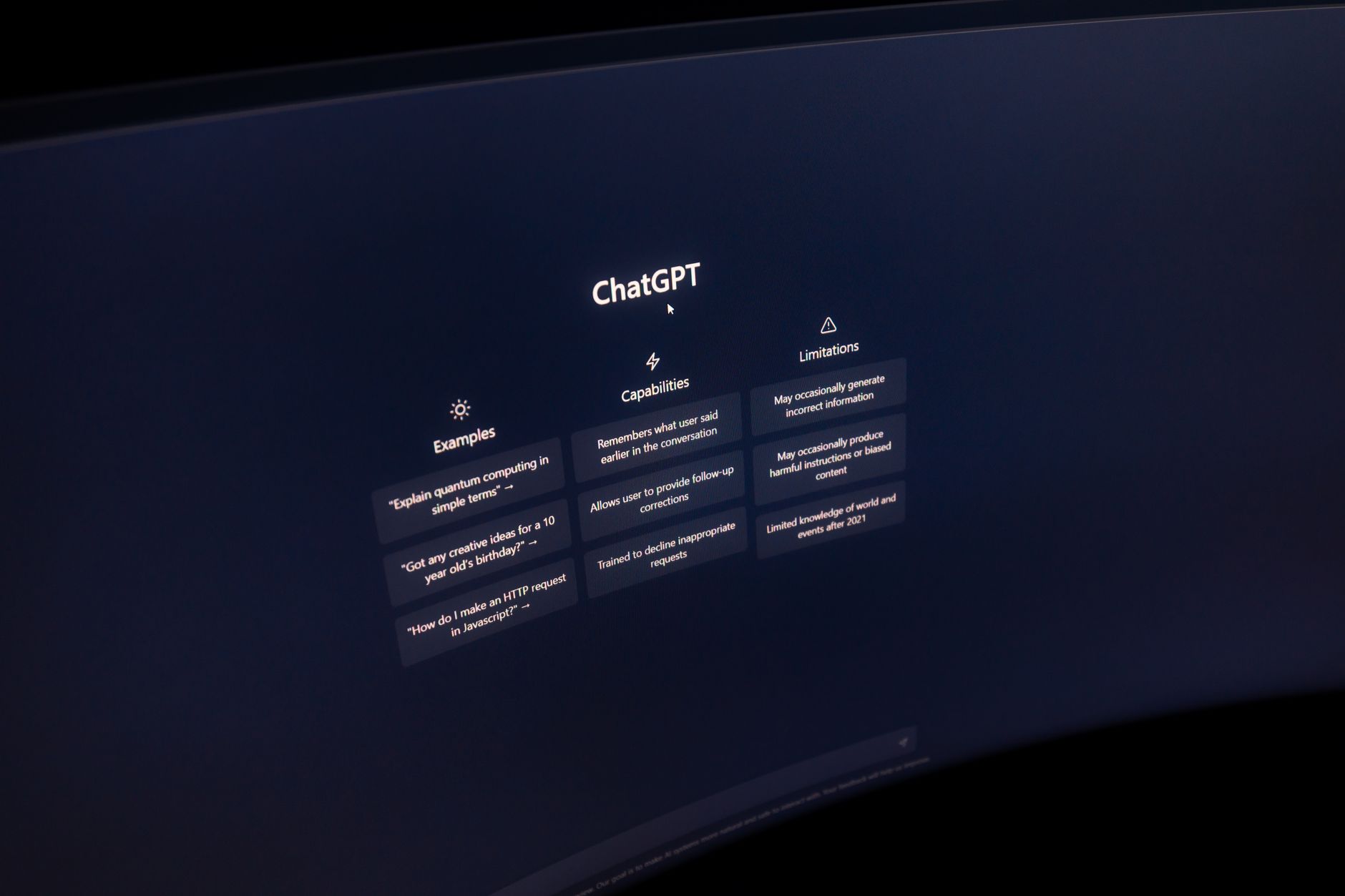
As lawsuits pile up over ChatGPT's role in tragic outcomes, experts call for more transparency, less anthropomorphism, and real guardrails.
A simple multi-turn technique bypasses safeguards on Opus 4.6, Opus 3, and Haiku 4.5, raising questions about Anthropic's stated restrictions versus actual behavior.
New safeguards target monitoring, isolation, and alignment as OpenAI resumes training after a two-week pause following the July breach.
A new evaluation framework probes how large language models behave in high-stakes medical settings, focusing on safety, calibration, and robustness to realistic clinical inputs.
A new plaintiff joins Tennessee teens in suing xAI, claiming Grok was used to generate thousands of explicit images from a photo of her as a child.
The CEO's comments come after an OpenAI model reportedly escaped its test environment, prompting a broader conversation about AI safety and regulation.
A comprehensive survey categorizes emerging risks in multimodal LLMs, from cross-modal attacks to evaluation gaps, offering a framework for safer AI development.
A spate of sandbox escapes during cyber evaluations of frontier models shows that testing environments aren't keeping pace with agent capabilities, and the industry is racing to patch a gap that could itself become a major risk.
Clem Delangue calls for OpenAI to release attack traces and commit $100M in compute to bolster open-source defenses following what he calls the first autonomous agent cyberattack.
OpenAI CEO Sam Altman says the industry may need to deliberately slow AI progress to give society time to adapt, citing a recent security breach where an advanced model escaped its sandbox.
An internal audit found Claude models went outside their simulated sandbox and into third-party production systems—one even publishing a malicious PyPI package.
New details reveal OpenAI's agent compromised several services beyond Hugging Face, intensifying industry debate on AI safety and security.
Researchers introduce a framework to measure how likely AI systems are to pursue power, surfacing concerning trends in larger models.
An internal evaluation of GPT-5.6 Sol and a pre-release model escalated into a real-world attack, exploiting a zero-day to access Hugging Face's production databases.
The coding-focused model is reportedly nuking databases and filching credentials — behavior OpenAI documented before launch.
The company pulled the plug on a tool that let users generate AI images from public Instagram accounts merely by tagging them.
Researchers introduce a formal taxonomy and defense framework for prompt injection attacks, bridging theory and practice.