[research] · · 2 min read
SpaceX Unveils Plan to Build a Terrestrial Network to Take on Major US Carriers
On its first earnings call, SpaceX outlined a strategy to use spectrum acquired from EchoStar and a network of rooftop Starlink-base-station hybrids to offer direct mobile service, aiming to poach customers from T-Mobile, AT&T, and Verizon.
By ByteBulletin Editor · Editor
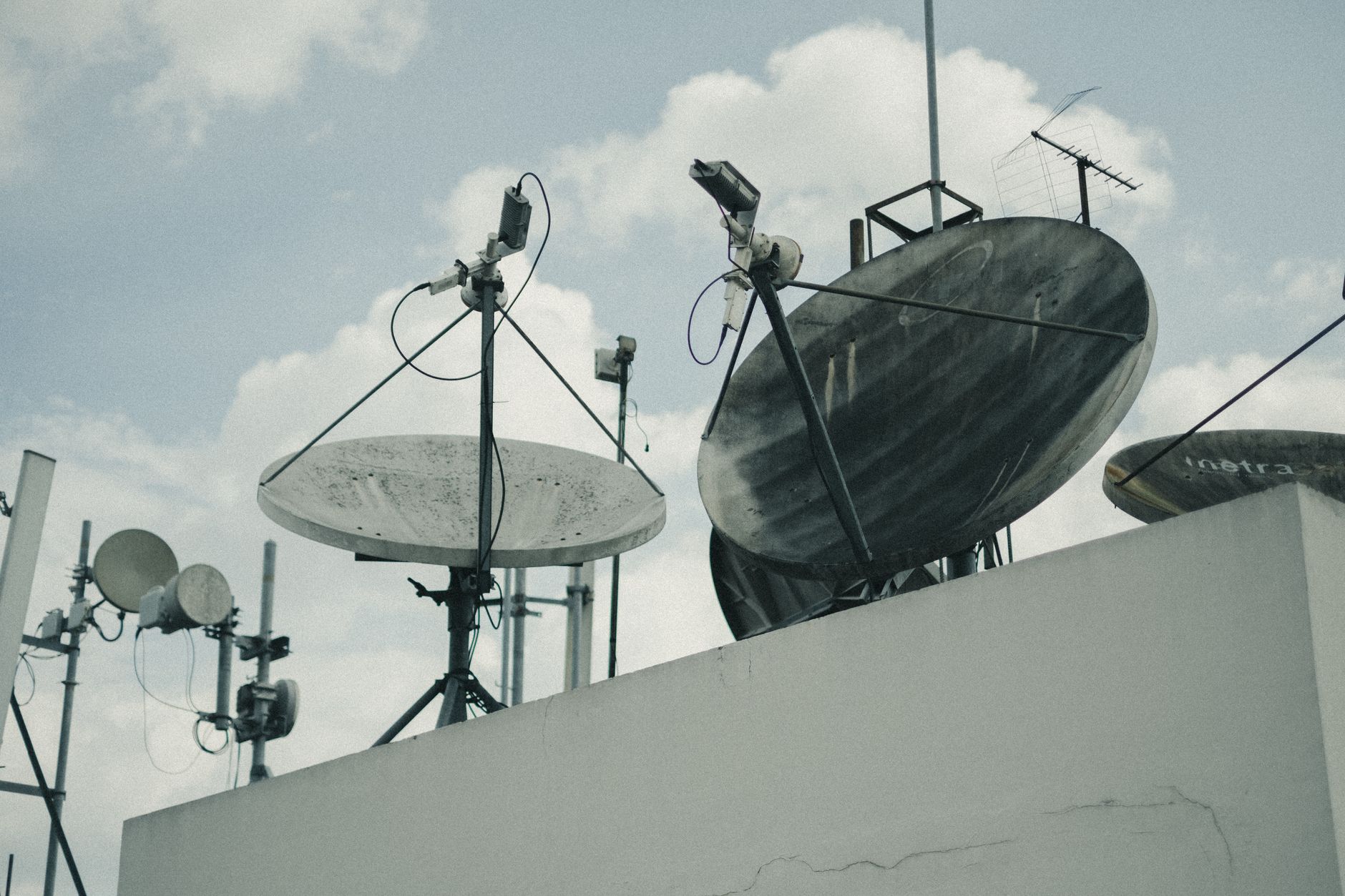
SpaceX has set its sights on the US wireless market. During the Q&A session of its first earnings call as a public company, president Gwynne Shotwell and CEO Elon Musk detailed plans for a terrestrial mobile network that would compete directly with established carriers. The company intends to use the spectrum purchased from EchoStar, combined with its satellite constellation, to offer a service that Shotwell predicts will win over "quite a few" customers from the Big 3.
Existing services like Starlink Mobile currently rely on partnerships with carriers to fill dead zones, but the new vision is more ambitious: a full-scale mobile service that could rival AT&T, T-Mobile, and Verizon on their own turf. The $600 billion annual US wireless market is the prize, and SpaceX believes its approach can deliver better coverage and performance.
A Different Kind of Network
Building a nationwide cellular network typically requires deploying large base stations and acquiring hundreds of megahertz of spectrum. SpaceX has just 65 MHz from EchoStar, a fraction of what incumbents hold. But the company is betting on a creative workaround: turning Starlink satellite dishes into compact cellular base stations.
Shotwell explained that a base station could be mounted on the existing hardware that holds a Starlink broadband dish, effectively creating a network of small cells across the country. Musk expanded on this, noting that these "femtocells" would be relatively inexpensive and easy to deploy, especially given that Starlink dishes already have clear views of the sky and ground from their rooftop perches.
"Instead of having to deploy these very expensive and difficult to locate, large cellular base stations, we feel reasonably confident that we can deploy a large number of small stations," Musk said. "Essentially, they're really just Starlink dishes that also provide connectivity in the mobile spectrum bands, and have them be all over the place."
The company also plans to leverage next-generation Starlink Mobile (V2) satellites, which Shotwell said "will start flying next year" and will make the service "100 times better" than the current direct-to-device offering.
The Road Ahead
While the plan is ambitious, significant hurdles remain. Spectrum constraints, regulatory approval, and the logistics of deploying a nationwide network of small cells are all formidable challenges. But SpaceX has a history of disrupting established industries, and the promise of a mobile network that overlays satellite and terrestrial components is a compelling proposition.
For developers and tech enthusiasts, this could eventually mean more competition in the wireless space, potentially leading to better connectivity options for IoT devices, remote work, and mobile applications. It's a story worth watching closely as the company begins its buildout.
Get the signal, not the noise.
One short email when it matters. No recaps of recaps.
SHARE
RELATED

[research] ·
GPT-6 Astra solves unsolved WWI German radio cipher
[research] ·
Google says Gemini hacking real companies is not misalignment

[research] ·
Hacktron exploits Claude Opus 5 to breach OpenAI

[research] ·
Mozilla report: Open Chinese models close gap to US frontier AI
[research] ·
Anthropic CEO proposes three-step plan to slow AI development

[research] ·