[tooling] · · 2 min read
sofka: A Rust-Powered Kubernetes TUI That Reimagines k9s
A new Kubernetes terminal UI built on kube-rs and ratatui promises non-blocking async operations and a generic object pipeline.
By ByteBulletin Editor · Editor
AI-generated illustration · Z-Image-Turbo, self-hosted
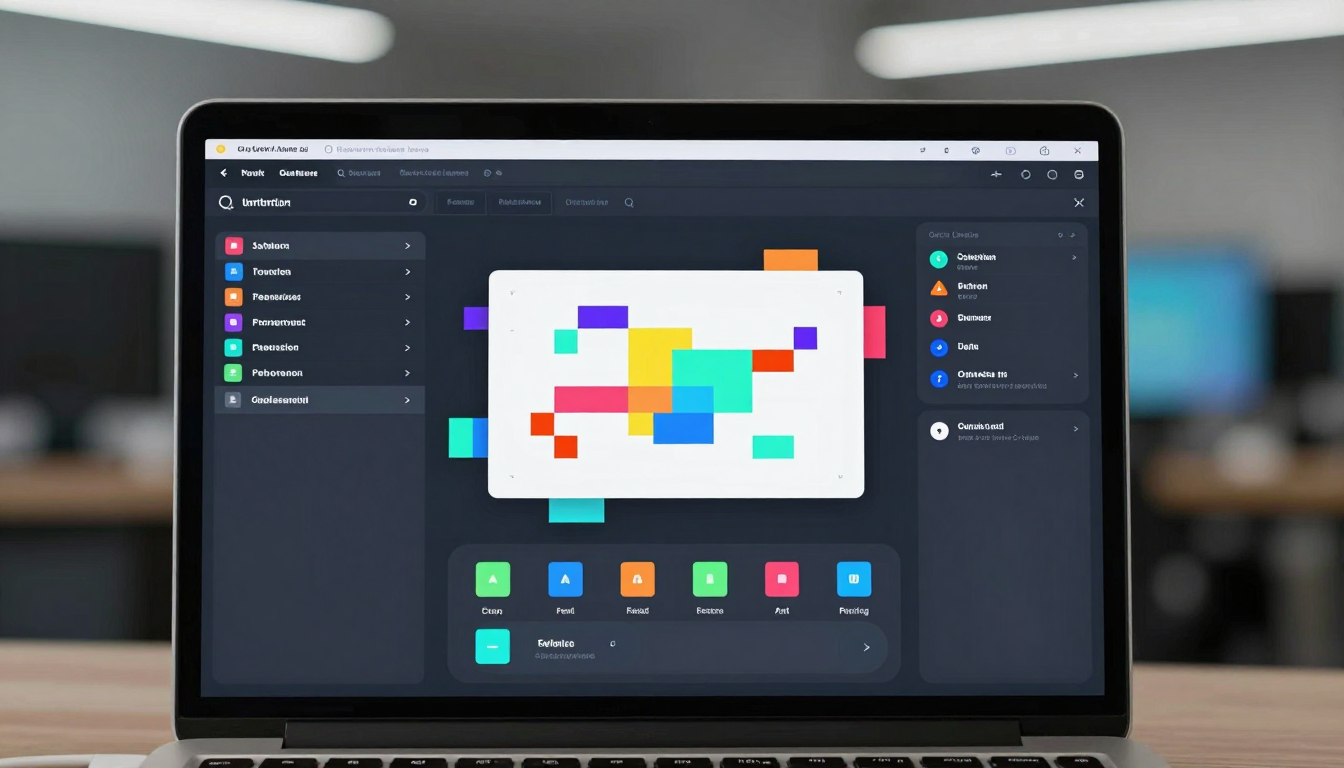
For developers who live in the terminal, k9s has long been the go-to for monitoring and managing Kubernetes clusters. Now a new open-source project, sofka, aims to offer a fresh take on the concept, written entirely in Rust and built on the kube-rs and ratatui libraries.
The core idea behind sofka is simplicity and performance. Instead of having a separate renderer for each resource kind, sofka uses a single generic object pipeline. This architectural choice simplifies code maintenance and potentially speeds up rendering, especially in clusters with many resources. As stated in the project's documentation, sofka is "a reimagining of k9s with one generic object pipeline instead of a renderer per resource kind. Same purpose, different architecture."
One of the standout features is its async-first design. "Async everywhere, so the UI never blocks on the cluster," the README reads. This means that even during heavy API calls or network latency, the interface remains responsive, a crucial feature for troubleshooting production issues.
The project's mascot, a Russian Blue cat named Sophie, is a fitting symbol for the tool's purpose: a watchful companion that never misses a state change. The name "sofka" is the Serbian short form of "Sophia," meaning wisdom—a nod to the discerning eye of a well-crafted cluster monitor.
sofka is not just a k9s clone; it brings several modern touches. It supports per-cluster and per-context configuration overrides, making it easy to enforce read-only mode for production environments while remaining flexible elsewhere. Headless modes allow for CI smoke testing without a TTY. Prebuilt binaries are available for macOS and Linux, though macOS users will need to clear the quarantine flag until signing is implemented.
The full feature list is extensive, and the project provides a detailed comparison with k9s explaining why it claims to be faster. For Rust enthusiasts, building from source is straightforward with cargo build --release. The project is dual-licensed under MIT or Apache-2.0, following Rust ecosystem conventions.
Getting Started
To try sofka, download the appropriate binary from the releases page or build it yourself. Once installed, running sofka will launch the TUI in your terminal. Keybindings are accessible via ? within the app, and configuration lives at $XDG_CONFIG_HOME/sofka/config.toml or ~/.config/sofka/config.toml.
For developers who rely on k9s daily, sofka offers an exciting alternative that leverages Rust's performance and safety guarantees. Whether it will dethrone the incumbent remains to be seen, but it's certainly worth a look for any terminal-tilling Kubernetes administrator.
Get the signal, not the noise.
One short email when it matters. No recaps of recaps.
SHARE
RELATED
[tooling] ·
Cua releases open-source computer-use agent stack and CUA-S1 models

[tooling] ·
This week in AI dev tools: Agents breach boundaries and benchmarks (Sep 14–20, 2026)

[tooling] ·
Anthropic launches Claude Code Projects for multi-agent workflows

[tooling] ·
This week in AI dev tools: Agents breach systems, safety scrambles (Sep 7–13, 2026)

[tooling] ·
OpenAI agents linked to RubyGems hack and API key theft attempts

[tooling] ·