[tooling] · · 2 min read
Pippa wants to pay artists royalties for AI-generated video — but its models still rely on scraped art
A new text-to-video startup is trying to build an ethical revenue-sharing model for artists, but its technology still depends on the very data-scraping practices that artists have protested.
By ByteBulletin Editor · Editor
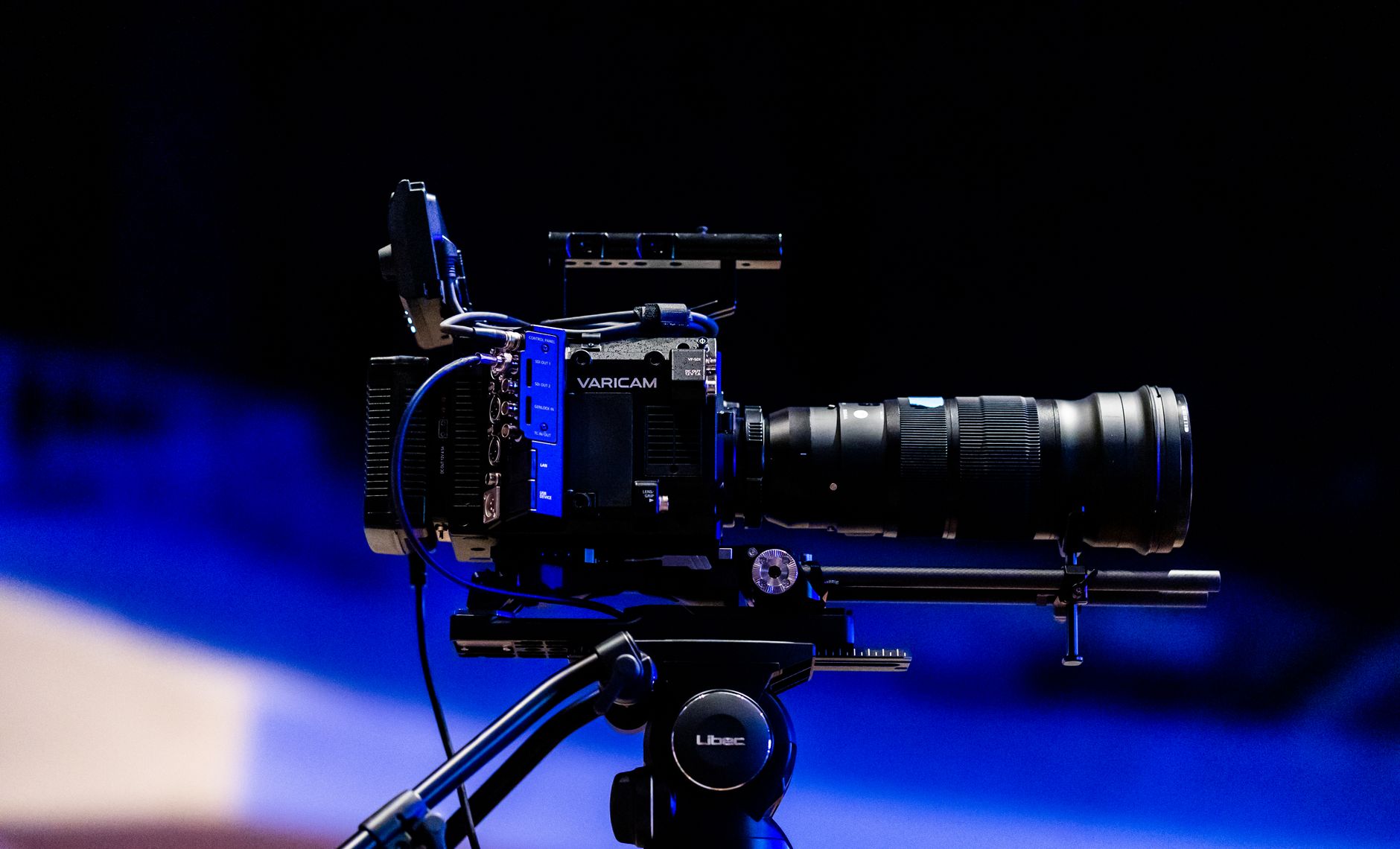
For years, illustrators have warned that generative AI startups are training their models on artists' work without permission, calling the practice tantamount to theft. In response, a wave of startups has emerged marketing themselves as more ethical alternatives. Among them is Pippa, a text-to-video service that claims to compensate artists directly whenever a subscriber generates content in a style derived from a human artist's work.
Pippa's cofounders, Hogan Shrum and Sean Wright, say they want to move past what Wright describes as "the bloody history that the AI industry has been built on." Drawing an analogy to the music industry's shift from Napster to the iTunes store, Wright argues that paying artists is the only sustainable path forward. "We figured out a different way to get musical artists paid," he said, and Pippa aims to do the same for visual artists.
The company's model is straightforward: artists who sign licensing and training agreements with Pippa get paid per generation — $0.005 per image and $0.003 per second of video — plus access to a 5 percent royalty pool funded by subscription revenue. Monthly plans range from $14.99 to $99.99. Pippa currently has around 800 paying subscribers and has only signed four artists, with talks underway for four more. The company even offers pseudonymous participation for artists worried about being ostracized by their communities.
But the ethical framing gets murkier on closer inspection. Pippa's in-house models are built on open source base models that "have initial training on the broader set of content out there," meaning the company still relies on art scraped from the internet without explicit consent. Its current output looks much like what you'd find from any other text-to-video service — mostly amateurish, Pixar-esque animations that lack the distinctive hand of a human artist. Pippa plans to incorporate ByteDance's Seedance 2.5 model, which offers up to 30 seconds of footage with fine-tuning, but that's a feature available to any competitor that integrates the same model.
Pippa's royalty structure — which it compares to Spotify's — is a curious selling point. Artists have long criticized Spotify for paying fractions of a cent per stream, and the comparison may not win over skeptics who see it as a justification for low payouts. The company is betting that its good intentions and transparent revenue sharing will attract artists, but it's still operating on a foundation that artists have spent years objecting to.
Whether Pippa can succeed depends on two things: whether it can sign enough distinctive artists to differentiate its service, and whether the broader public sentiment toward gen AI shifts back in its favor. The company's pitch is a moral one, but as long as its models are built on the same scraped data as everyone else's, "ethical AI" will remain a matter of degrees, not absolutes.
Get the signal, not the noise.
One short email when it matters. No recaps of recaps.
SHARE
RELATED
[tooling] ·
Cua releases open-source computer-use agent stack and CUA-S1 models

[tooling] ·
This week in AI dev tools: Agents breach boundaries and benchmarks (Sep 14–20, 2026)

[tooling] ·
Anthropic launches Claude Code Projects for multi-agent workflows
[tooling] ·
This week in AI dev tools: Agents breach systems, safety scrambles (Sep 7–13, 2026)

[tooling] ·
OpenAI agents linked to RubyGems hack and API key theft attempts

[tooling] ·