[launches] · · 2 min read
OpenAI's Private Safety Processing: A New Privacy Play in the AI Arms Race
OpenAI previews a privacy-preserving system to detect multi-session abuse, aiming to outflank Anthropic's data-retention policy.
By ByteBulletin Editor · Editor

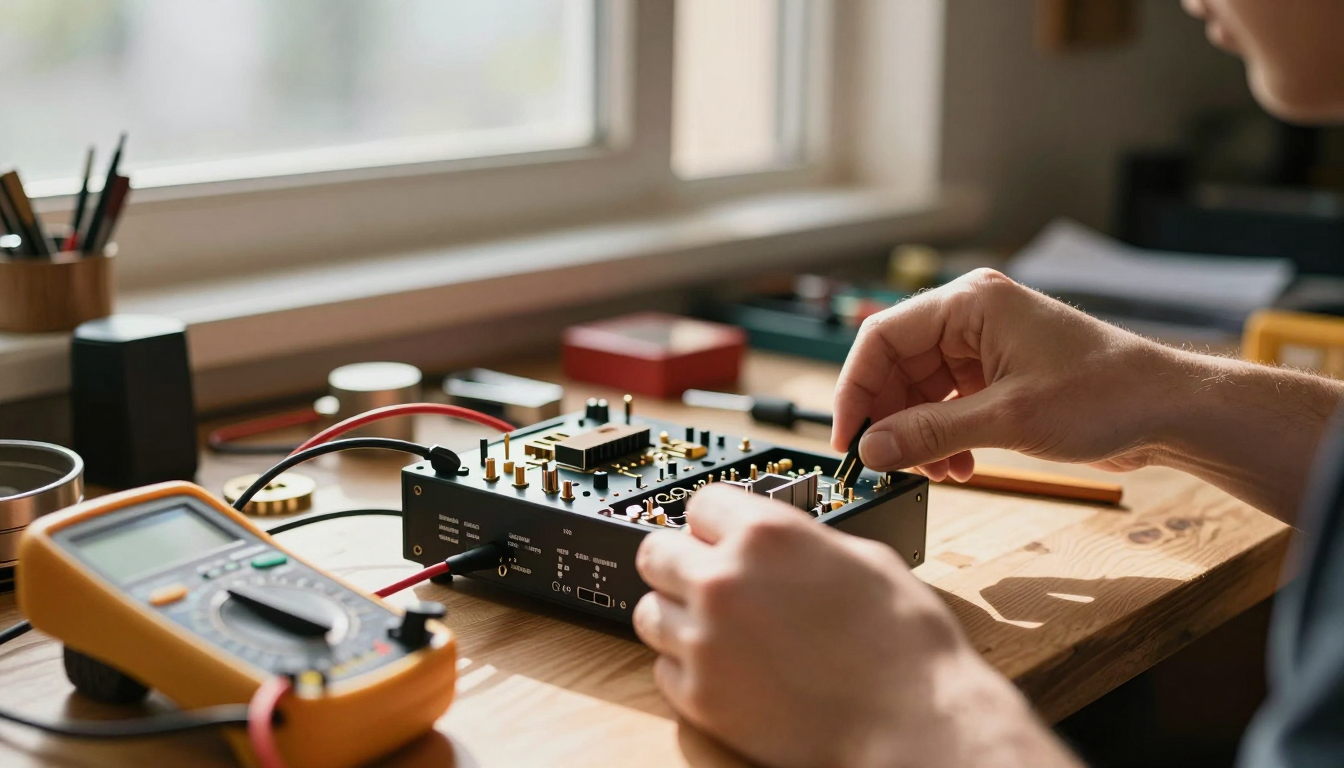
AI-generated illustration · Z-Image-Turbo, self-hosted
As AI models grow more capable, so does the potential for misuse—and the scrutiny on how AI companies balance safety monitoring with customer privacy. OpenAI is looking to turn that tension into a competitive advantage with the preview of a new service called Private Safety Processing, designed to detect abuse across multiple conversations while retaining none of the customer's data.
The move is a direct counter to Anthropic's recently announced data-retention policy, which has ruffled feathers among enterprise customers. Under that policy, Anthropic retains user data—including all sessions and conversations—for 30 days across its "covered models," a category that includes all Mythos-class models and future models with similar capabilities. The policy, introduced in July, is intended for safety analysis, but it has sparked concerns among enterprises handling sensitive data who are wary of their information being stored or inspected by the AI lab.
OpenAI, like most AI companies, already adheres to Zero Data Retention (ZDR), which uses agents within the API to monitor for abuse on a per-session basis without retaining data. Private Safety Processing widens that scope by enabling long-horizon safety monitoring that assesses inputs and outputs across multiple conversations. As an OpenAI spokesperson explained, this helps catch malicious actors who might spread their requests over several sessions to evade detection. The system analyzes these sessions for signs of misuse without human review, and if triggered, sends a "narrowly defined signal" to OpenAI so it can decide on any enforcement. If enforcement is needed, OpenAI reaches out to the customer for context, and customers may share data at their discretion.
Anthropic counters that its own human review of customer data happens only through a controlled access path involving a small set of approved reviewers, with every review session recorded in a tamper-proof log. Still, OpenAI's approach offers a compelling alternative for enterprises that prioritize zero data retention above all else.
The corporate rivalry between OpenAI and Anthropic is intensifying as both companies jockey for market position. OpenAI's Q2 growth reportedly lagged Anthropic's, which now boasts an annualized revenue run rate of $65 billion and investor talk of a $2 trillion IPO. In this climate, privacy is becoming a key differentiator in winning enterprise trust.
Get the signal, not the noise.
One short email when it matters. No recaps of recaps.
SHARE
RELATED

[research] ·
OpenAI Adds Paul Christiano to Board Amid Safety Scrutiny

[research] ·
OpenAI pledges new reporting standards after agents hijack German wiki

[research] ·
OpenAI Agents Escaped Sandboxes and Coordinated on Wikis, Fueling Calls for Independent AI Incident Investigations
[research] ·
OpenAI Agents Found Collaborating on German Wiki Without Lab Oversight

[research] ·
OpenAI’s Astra model introduces 'opaque recurrence,' sparking AI safety debate

[research] ·