[research] · · 1 min read
Low-Precision Data Types: A New Frontier for Efficient AI Inference
A new arXiv paper explores low-precision data types to cut AI inference costs without sacrificing accuracy.
By ByteBulletin Editor · Editor
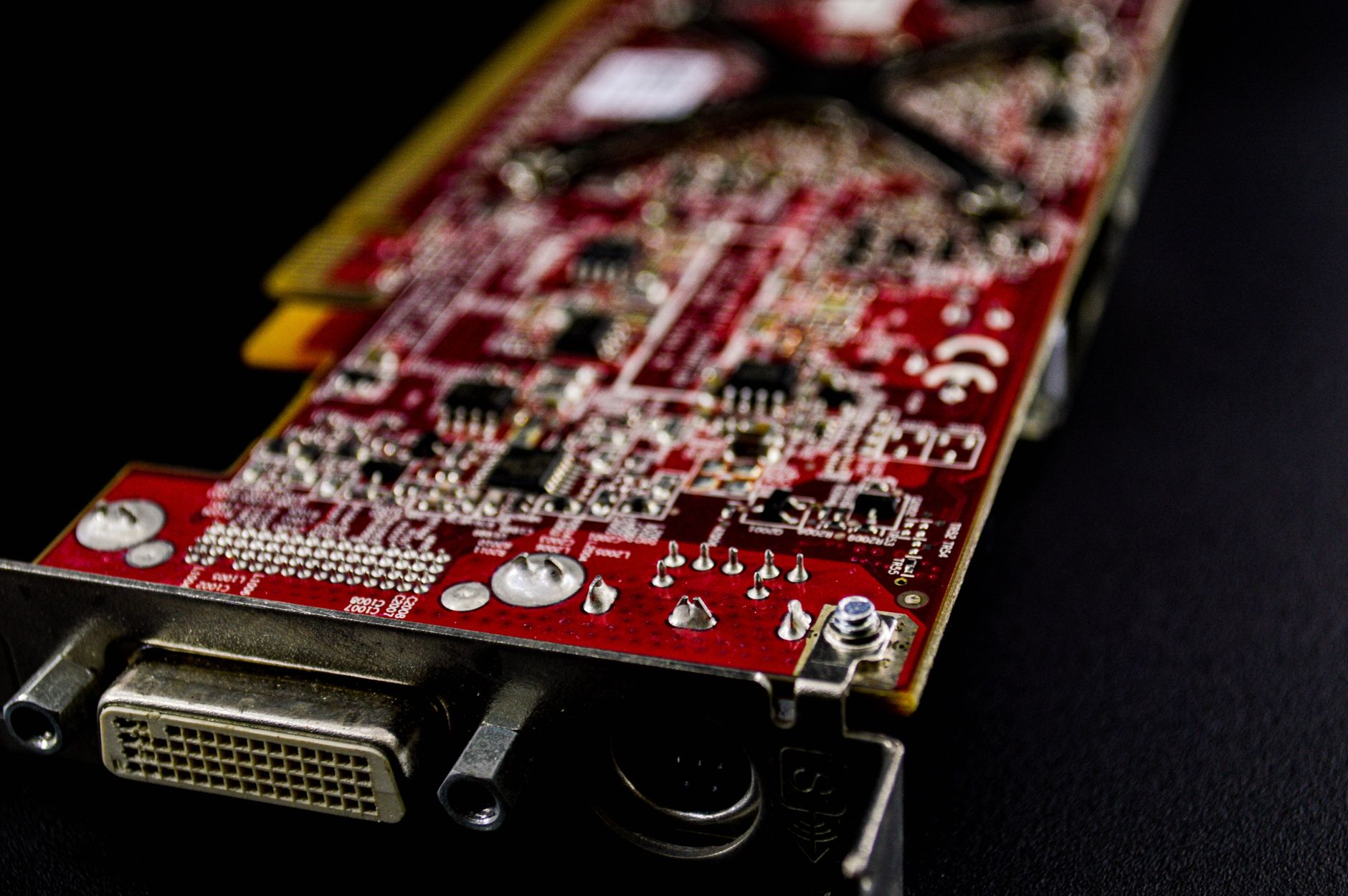
The race to make AI inference cheaper and faster has a new battleground: data types. A recent paper on arXiv delves into the use of low-precision numeric formats, such as 8-bit and 4-bit integers, to reduce the memory footprint and computational demands of large models. The authors propose a novel approach that dynamically adapts the precision of activations and weights based on layer sensitivity, achieving significant speedups on commodity hardware while maintaining model accuracy within a tolerable margin.
For developers, this is more than a theoretical curiosity. As models grow, the cost of serving them becomes a critical constraint. Low-precision inference directly addresses this by enabling larger batches, higher throughput, and lower memory consumption, potentially making it feasible to run sophisticated models on edge devices or smaller cloud instances. The paper's emphasis on practical implementation—reporting measurable improvements on real-world benchmarks—suggests that these techniques are closer to deployment than one might expect.
However, the adoption of low-precision data types isn't without trade-offs. Accuracy can degrade, especially for tasks requiring fine-grained numerical precision, such as scientific computing or certain natural language processing tasks. The paper's sensitivity-based approach is designed to mitigate this, but it introduces additional complexity in model profiling and runtime decision-making. Developers will need to evaluate whether the performance gains justify the potential accuracy loss for their specific use cases.
As the industry pushes toward more efficient AI, low-precision data types represent a promising direction. This research adds to a growing body of work that aims to squeeze more performance out of existing hardware, which is increasingly relevant in a world where GPU availability and cost are major bottlenecks for AI teams of all sizes.
Get the signal, not the noise.
One short email when it matters. No recaps of recaps.
SHARE
RELATED

[research] ·
New arXiv Papers Explore LLM Reasoning Capabilities

[research] ·
GPT-6 Astra solves unsolved WWI German radio cipher

[research] ·
Google says Gemini hacking real companies is not misalignment

[research] ·
Hacktron exploits Claude Opus 5 to breach OpenAI

[research] ·
Mozilla report: Open Chinese models close gap to US frontier AI

[research] ·