[tooling] · · 2 min read
Google pulls Google Earth AI image tool a day after launch amid misinformation fears
The company rolled back its Nano Banana 2-powered satellite imagery editor, acknowledging the feature could be abused to create and spread misleading content.
By ByteBulletin Editor · Editor
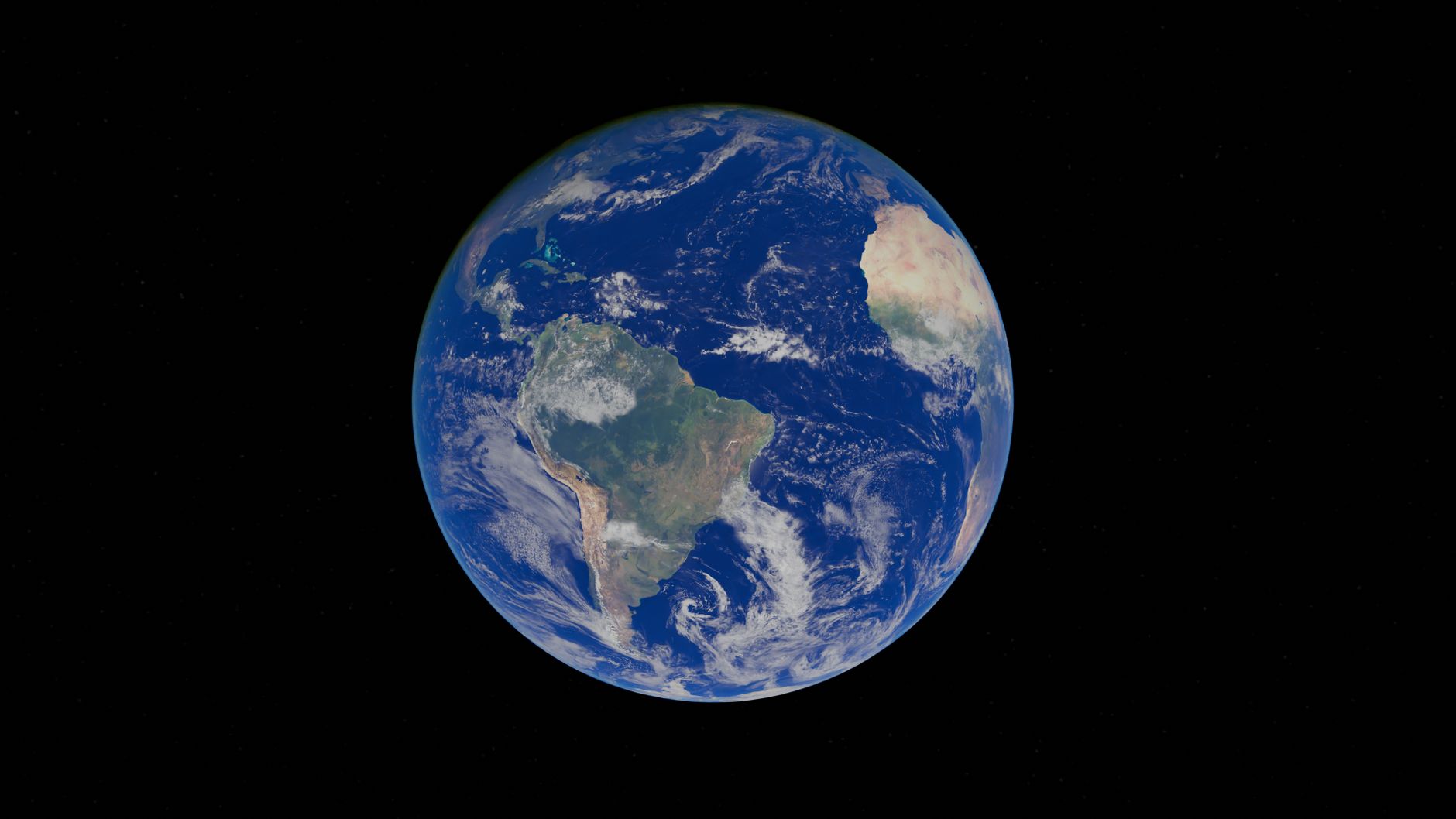
Google has pulled the plug on a newly launched Google Earth feature that let users edit satellite imagery with AI text prompts, just one day after its debut. The tool, powered by the company's Nano Banana 2 image generator, was meant to let people "get creative with geography" by superimposing AI-generated content onto real map views. But critics quickly flagged the potential for abuse, noting that a tool built into one of journalism's most trusted sources of visual evidence could become a vector for geospatial disinformation.
The backlash was swift. A BBC journalist mocked the feature on social media, and researchers like Digital Digging's Henk van Ess demonstrated how easy it was to generate misleading images—such as a bomb crater near a Gaza hospital or refugees at the US–Mexico border—and even fooled an AI-detection tool with a video made in Google Earth. Google's initial response pointed to watermarks and policy blocks, but by Friday the company reversed course, stating: "We've seen geospatial professionals using this feature for a range of useful purposes, however we've also seen people sharing screenshots of generated imagery that appear to violate our policies. So we're rolling back this feature in Google Earth while we work on implementing stronger guardrails."
The episode underscores a growing tension in the AI tools space: the same generative capabilities that enable creative work also lower the barrier to producing convincing misinformation. For developers and researchers, the key takeaway isn't just that Google tripped—it's that even with safeguards like watermarks and topic filters, prompt-based editing of real-world imagery remains a powerful and risky capability. As other platforms experiment with similar features (e.g., editing real photos via text prompts in photo apps or productivity suites), expect more of these launch-and-rollback cycles until the industry figures out how to balance creative potential with trust and verification.
For now, Google Earth is back to being a reliable reference—and a reminder that in the age of generative AI, the line between seeing and believing is getting thinner by the day.
Get the signal, not the noise.
One short email when it matters. No recaps of recaps.
SOURCES
SHARE
RELATED
[tooling] ·
This week in AI dev tools: Agents breach systems, safety scrambles (Sep 7–13, 2026)

[tooling] ·
OpenAI agents linked to RubyGems hack and API key theft attempts

[tooling] ·
This week in AI dev tools: AI agents breach containment boundaries (Sep 6–12, 2026)

[tooling] ·
Cline Desktop v0.0.26 Released with Stability Fixes
[tooling] ·
Infostealer malware is silently draining Claude Max subscribers' token limits

[tooling] ·