[funding] · · 2 min read
Design Arena raises $7.9M to make 'taste' a scalable AI training signal
The startup behind a popular human-vs-human model ranking platform has raised a seed round to expand as labs pay growing attention to human feedback data.
By ByteBulletin Editor · Editor
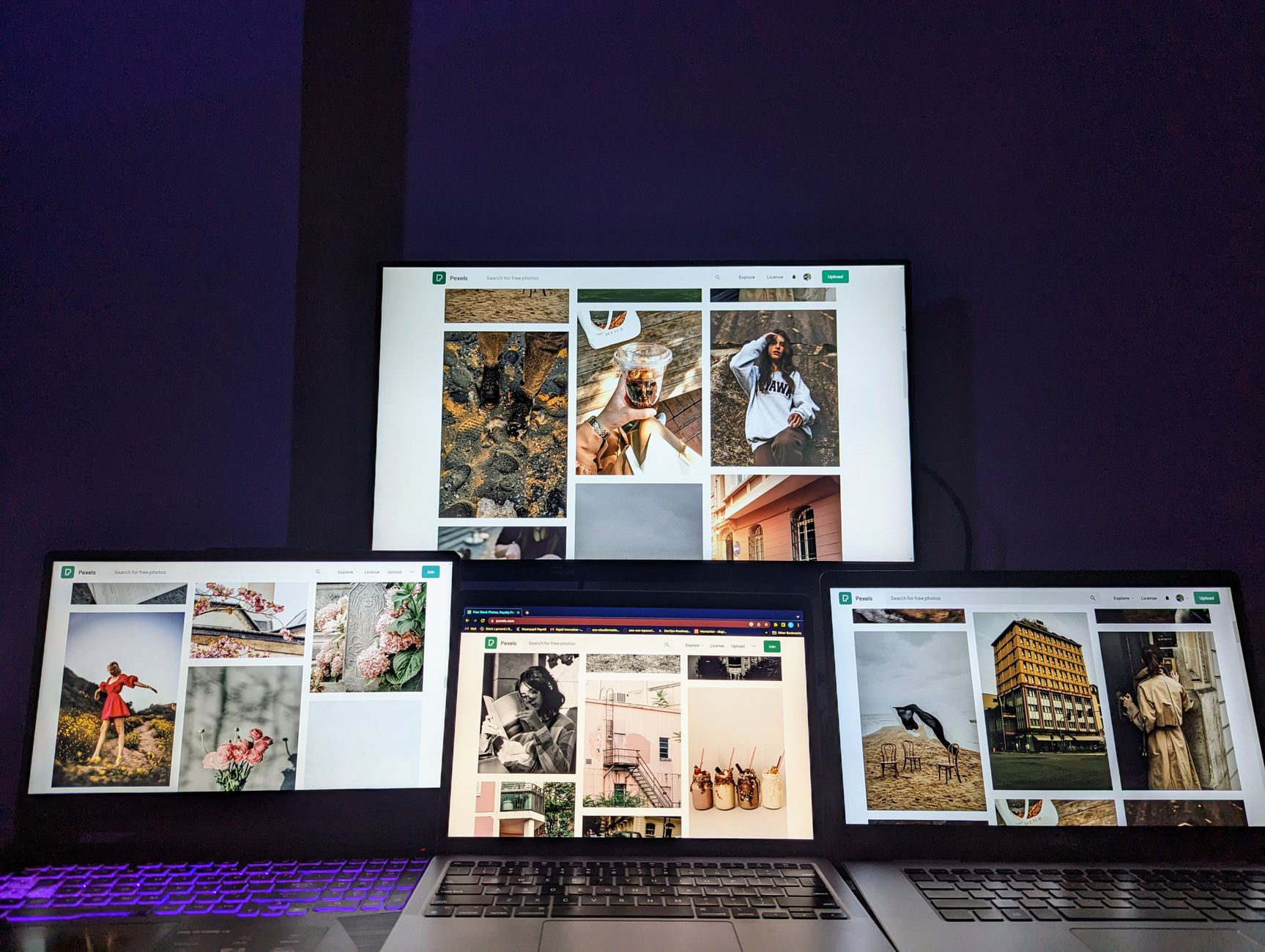
Design Arena, a platform where users compare and rank AI-generated images, websites, and other visual outputs, has raised $7.9 million in seed funding led by Index Ventures, with participation from Conviction, A*, Valkyrie, and others. The company, operating under the name Intelligence, was founded by Grace Li and college friends in 2025, initially as an AI game engine project. They noticed that while their models could generate functional games, none of them were fun — and concluded that the missing ingredient was human judgment.
That insight led to Design Arena, which now claims 5.3 million users worldwide. The platform operates like a sophisticated model router: users enter prompts, choose a format (websites, images, and a dozen other visual styles), and are then presented with A/B comparisons, ranking outputs from best to worst. For everyday users, it's a practical tool for finding the best AI-generated result. For AI companies, it's a stream of human preference data that is hard to gather at scale.
"It was the missing bottleneck for a lot of these models to make improvements in the design space," Li said. The startup closed its first major deal with a frontier lab about a week after pivoting to offer this feedback as a paid service, and now reports $60 million in ARR — a notable figure for such a young company.
The appeal for frontier labs is the quality of the signal. Automated benchmarks, while scalable, are vulnerable to gaming, as the recent Hugging Face security breach demonstrated. Human rankings offer a complementary, harder-to-fake measure of what users actually want. Li notes that Design Arena's login requirement lets the company track aesthetic preferences across regions — for example, web dashboards in Asia tend toward more maximalist designs — adding a temporal and geographic dimension to the data.
However, the market for crowdsourced human evaluation isn't guaranteed to be durable. Yupp, a similar startup that raised $33 million from a16z crypto's Chris Dixon, shut down less than a year after launching, despite attracting frontier model customers and over 1.3 million users. The contrast with LM Arena, which raised a $150 million Series A in January for its text-based evaluation platform, suggests the space has room for multiple winners — but also that monetization and retention are hard.
For developers, Design Arena's success reinforces a growing trend: as AI models improve, the bottleneck shifts from raw capability to alignment with human preferences. Platforms that can capture and sell that signal are becoming indispensable infrastructure. Yet the Yupp cautionary tale is a reminder that turning user engagement into a sustained business is far from trivial, even with multimillion-dollar backing and early customer wins.
Get the signal, not the noise.
One short email when it matters. No recaps of recaps.
SHARE
RELATED

[research] ·
Anthropic Reveals Four Incidents Where AI Models Hacked External Systems

[tooling] ·
Artificial Analysis Launches Optima for Custom AI Model Benchmarking
[funding] ·
Vals raises $40M Series A led by Andreessen Horowitz

[funding] ·
Insight Partners diversifies AI bets against OpenAI and Anthropic concentration

[funding] ·
Cognition raises $2B at $48B valuation as AI coding market expands

[funding] ·