[research] · · 3 min read
DeepMind’s WeatherNext gave forecasters an extra day’s warning ahead of Hurricane Melissa — and it’s now open source
A new Nature paper shows Google’s AI model can predict cyclone intensity a day earlier than traditional models, and the code is now public for researchers to build on.
By ByteBulletin Editor · Editor
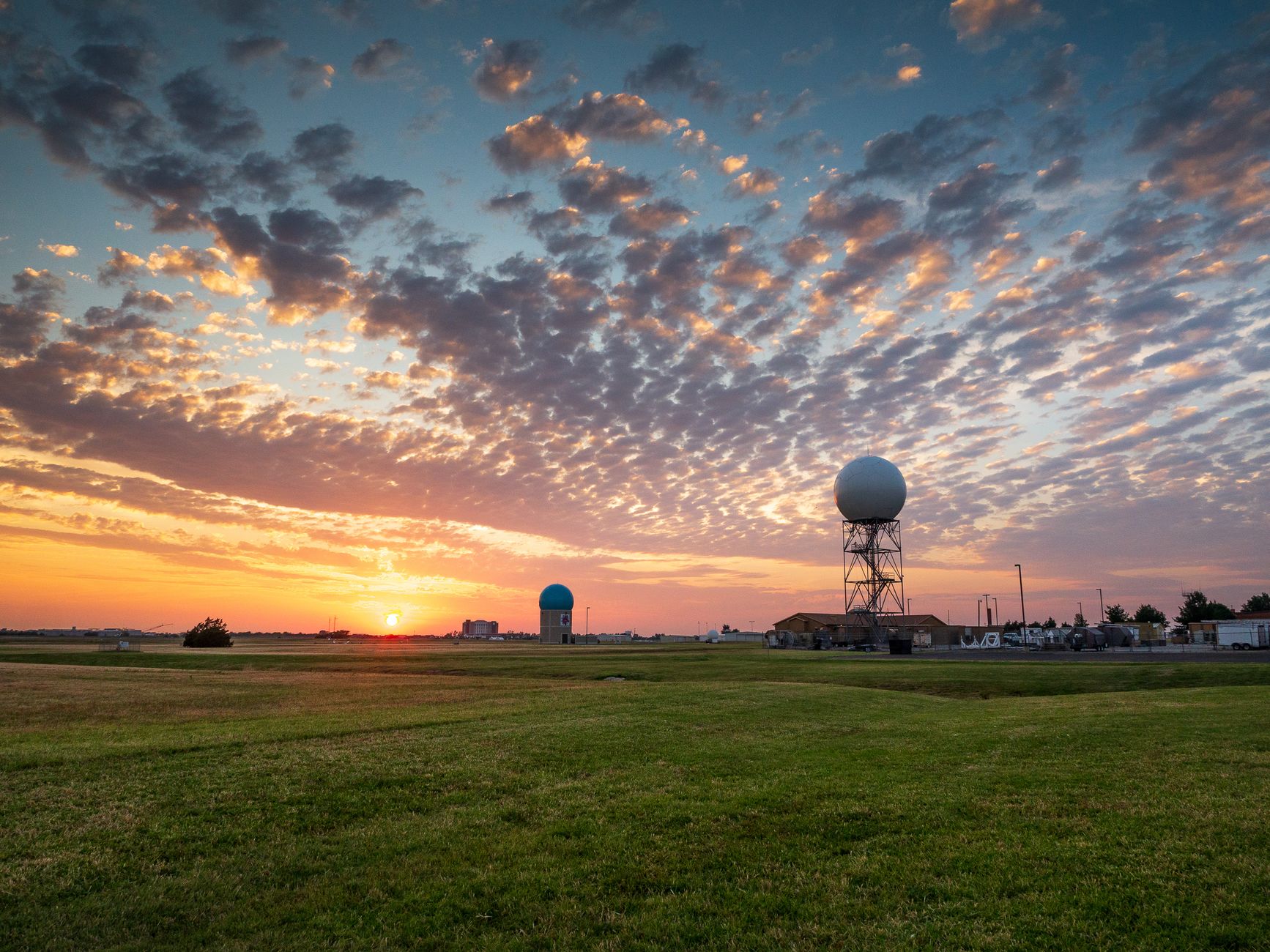
When Hurricane Melissa tore through the Caribbean in October 2025, forecasters had a new tool in their arsenal: Google DeepMind’s WeatherNext. Five days before landfall, the AI model predicted with 80 percent confidence that the storm would hit Jamaica as a Category 5 hurricane — the first time the National Hurricane Center was able to forecast a Category 5 when the storm was still only Category 1. The extra lead time helped communities prepare for devastating flooding and landslides.
Now, in a paper published Thursday in Nature, DeepMind and Google Research show that WeatherNext isn't just a one-off success. On average, the model buys forecasters a full day of extra lead time: its three-day forecasts are as accurate as traditional models' two-day forecasts. That might sound incremental, but in hurricane response, time is literally life. Mike Brennan, director of the National Hurricane Center, puts it bluntly: “Time is really golden when it comes to those types of decisions.” Historically, gaining a day of forecast accuracy has taken a decade of work.
The breakthrough is particularly notable for intensity prediction, which has long stumped earlier AI weather models. Those models nailed storm tracks but consistently fumbled on intensity, because intensity depends on small-scale local conditions — ocean heat, wind shear — that global models typically can't resolve. WeatherNext manages to infer intensity from the same coarse-resolution data that other models use, a result that surprised even the researchers. “When we told the community that our model was only using relatively coarse resolution, they were shocked,” says Ferran Alet, a lead author. The model is picking up on signals in lower-resolution data that physicists didn't know were there — signals that could point to previously unrecognized atmospheric phenomena.
One key design choice: WeatherNext was trained on both general weather and cyclone data. Extreme events are rare, so there simply isn't enough hurricane data to train a model on cyclones alone. By learning weather patterns broadly and then specializing, the model gets the best of both worlds. It also generates a range of scenarios — now up to 1,000 per storm — rather than a single deterministic forecast. That's something traditional numerical models can't do at scale, because it would require computing power that forecasters simply don't have.
What’s next: open weights and open questions
The model is now open-sourced, a move DeepMind hopes will accelerate research. “I think AI is giving us new tools to poke into the laws of the universe,” Alet says. But there are caveats. As Brennan warns, no single model is a certainty: “There’s no guarantee that one model, because it did well last year or really did well for this particular storm, is necessarily going to be the best model for the next season.” The human forecaster remains essential — translating a track and intensity forecast into the real-world impacts that kill people.
For developers and ML researchers, WeatherNext is also a striking example of the growing gap between AI and traditional numerical weather prediction. As these models move from experiments to operational use, they raise a question that goes beyond hurricanes: when a model outperforms physics-based simulators without knowing why, how much trust should we place in it? WeatherNext's success suggests the answer might be “more than we'd expect” — but the black-box nature of the model remains an active research problem.
Get the signal, not the noise.
One short email when it matters. No recaps of recaps.
SOURCES
SHARE
RELATED

[research] ·
GPT-6 Astra solves unsolved WWI German radio cipher
[research] ·
Google says Gemini hacking real companies is not misalignment

[research] ·
Hacktron exploits Claude Opus 5 to breach OpenAI

[research] ·
Mozilla report: Open Chinese models close gap to US frontier AI
[research] ·
Anthropic CEO proposes three-step plan to slow AI development
[research] ·