[models] · · 2 min read
DeepMind alumni startup Inherent says its tiny AI agent outperformed frontier models at replicating research
The London lab's Faraday agent, built on a 27-billion-parameter model, beat Anthropic and OpenAI systems at reproducing scientific results — and its founders say how it got there matters more.
By ByteBulletin Editor · Editor
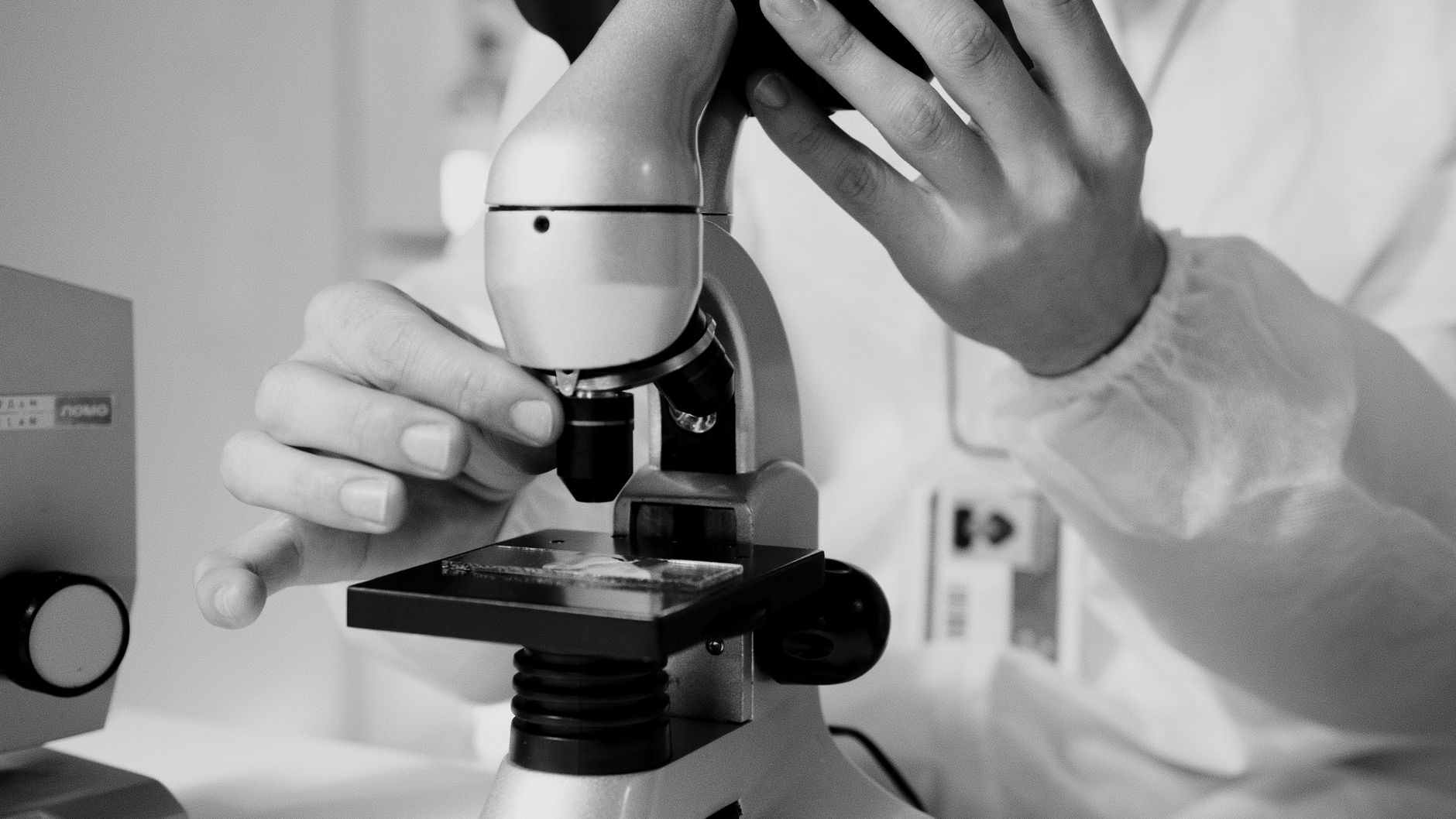
Inherent, a London-based AI lab founded by Google DeepMind alumni, has emerged from stealth with a claim that is easy to dismiss and hard to ignore: its AI agent, Faraday, outperformed frontier models from Anthropic and OpenAI at a task that matters deeply to scientists — independently replicating the findings of published papers.
The startup, which just weeks ago announced a $50 million seed round, says Faraday achieved this on a Qwen 3.6 model with just 27 billion parameters, a fraction of the size of the larger systems it beat. But cofounder and chief scientist Edward Hughes is quick to reframe the result: the win itself is less important than the method.
“What was most interesting to us about this was not so much the result of beating those frontier agents — which of course we liked — but was actually the way we went about building this,” Hughes told TechCrunch.
Replication as a stepping stone
Paper replication is a standard exercise for human scientists — many PhD students begin their careers by trying to reproduce prior work. Inherent sees it as a natural test for AI agents too, but one that only scratches the surface. The lab’s north star is building an AI that can discover new scientific knowledge, not just verify old results.
To get there, Inherent is using reinforcement learning, a training method that rewards good outcomes rather than following explicit rules. The bet is that this approach will generalize better to the messy, open-ended work of designing experiments and deciding what’s worth investigating — what Hughes calls “research taste.”
The company is also deliberately choosing what not to build. Rather than creating its own coding tool, Faraday uses OpenAI’s GPT-5.5 Codex, just as a human researcher might use existing software rather than reinventing it. Hughes says the goal is an agent that acts like a curious colleague — one who says, “I got curious about this, and I went off and did these experiments. What do you think of these results?”
A London story
Inherent’s dozen employees work in person out of an office in King’s Cross, the neighborhood that Google DeepMind helped transform into one of the world’s leading AI hubs. Hughes is bullish on London’s talent density, but he also speaks sharply about a practice that has held back the U.K. startup scene: garden leave, which bars departing employees from joining or starting a rival company for months after they resign.
“This is a personal view rather than a company view, but I was affected by the garden leave problem,” Hughes said. Inherent plans to grow to about 20 to 25 employees by the end of the year, and with Demis Hassabis’s new role leaving some DeepMind staff unsettled, the lab could become an appealing landing spot for those weighing a move.
For now, the team is focused on proving that small, reward-driven agents can punch above their weight class. If they’re right, the path to an AI scientist may not run through the biggest models — but through how you teach them to think.
Get the signal, not the noise.
One short email when it matters. No recaps of recaps.
SHARE
RELATED
[tooling] ·
Cua releases open-source computer-use agent stack and CUA-S1 models
[tooling] ·
OpenAI agents linked to RubyGems hack and API key theft attempts
[launches] ·
Kungfu Launches Agent Handoff Protocol to Eliminate Context Loss

[tooling] ·
Hexis: A Git-Backed Control Plane for Managing AI Agent Skills and Permissions

[tooling] ·
Goose Accelerates Release Cadence with v1.47 and v1.49 Updates

[launches] ·