[models] · · 3 min read
Anthropic to watermark all Claude-processed text, not just generated content
In a bid to comply with the EU AI Act, Anthropic is applying invisible watermarks to any text touched by its models, including simple edits, creating a potential provenance paradox for developers and users.
By ByteBulletin Editor · Editor
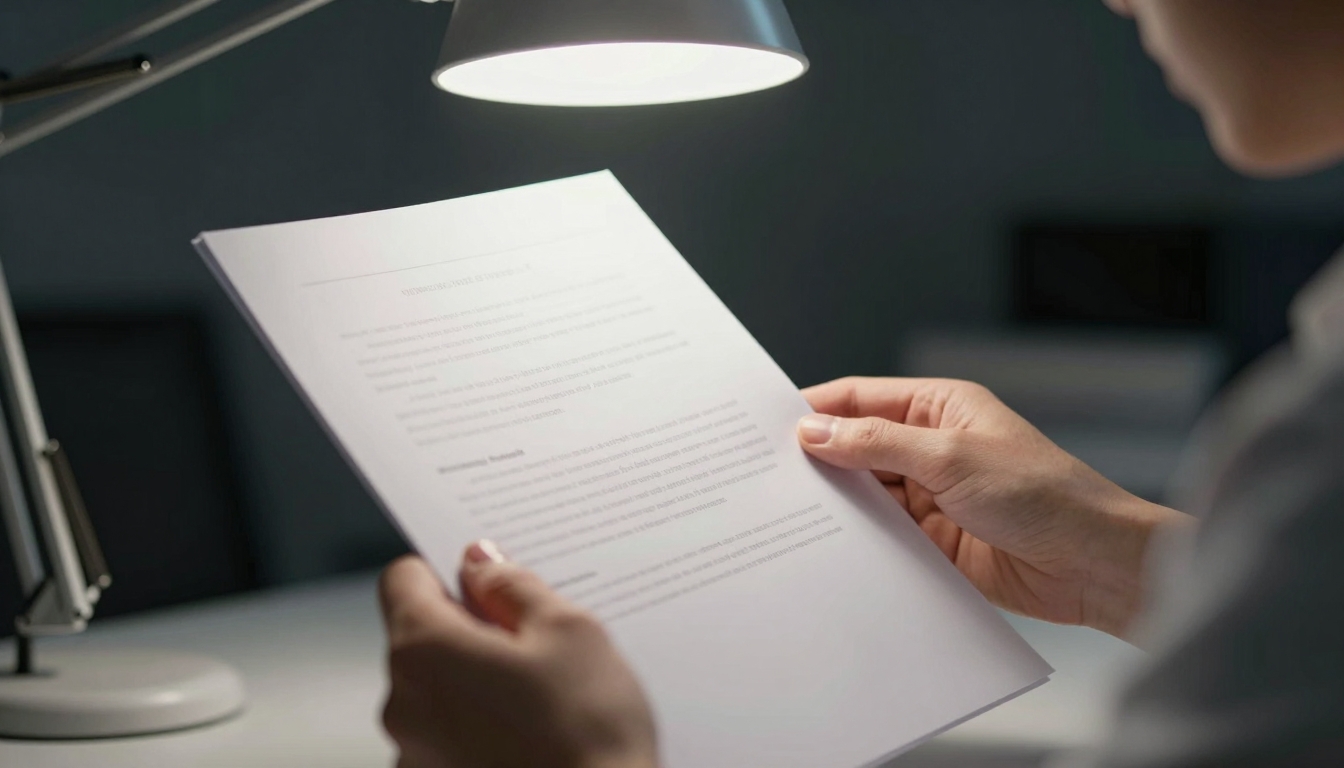
AI-generated illustration · Z-Image-Turbo, self-hosted
Anthropic has announced that it will begin embedding machine-readable watermarks into content processed by its Claude models, a move driven by compliance requirements under the European Union’s AI Act. Unlike previous watermarking efforts that focused strictly on generated media, Anthropic’s approach is described as a "nuke it from orbit" strategy: it applies to all processed content where supported, regardless of whether the AI generated the text from scratch or merely performed an assistive function like grammar correction or summarization.
The EU AI Act, which applies to models released after August 2, mandates that providers watermark AI-generated or manipulated audio, image, text, and video outputs. While the law includes exemptions for "standard editing" that does not substantially alter the user's text, Anthropic’s implementation does not distinguish between these cases. Because the watermark is applied at the model level, it cannot differentiate between a wholesale generation and a minor comma fix. Consequently, any text that passes through Claude—whether it is a novel, a marketing copy, or a simple proofread—will carry an embedded mark.
For developers and technical users, the implementation details reveal both the ambition and the fragility of the system. Text watermarks work by biasing the model’s word choices in a pattern spread across the entire document, a signal that is only detectable in aggregate by specific tools. Anthropic notes that these marks "will travel with the text when it’s copied and pasted elsewhere" and may persist through some editing. However, the company acknowledges that the watermark is not fully conclusive; a detected mark provides a signal that content was processed by Claude, but it is not a definitive proof of origin. Furthermore, the absence of a mark does not guarantee that content was not AI-generated.
The practical implications for developers are significant. If watermarked text is pasted into another system that edits the text, the watermark could be destroyed. For non-text content, Anthropic will use the C2PA metadata approach to record provenance, which is similarly vulnerable to removal via screenshotting or metadata editing tools. Anthropic plans to release a text detection API to allow users to verify these marks, but until then, the reliability of the system remains untested in the wild.
This approach creates a potential conflict with the spirit of the EU’s transparency goals. The Act aims to ensure that people know when they are interacting with AI to calibrate their trust and avoid misinformation. However, by watermarking all processed content, Anthropic risks muddying the waters of provenance. A teacher or professor, for instance, might interpret a watermark on a student’s lightly edited essay as a sign of wholesale AI generation, when in reality, the AI only corrected typos. This "catch-all" labeling could inadvertently punish users who trust the system to accurately label their outputs, while bad actors can still easily bypass the marks.
Anthropic stated that it is adding marking to Claude’s output to comply with the EU AI Act and that other labs are taking similar steps. The company emphasized that the watermarks do not change the meaning, quality, or readability of Claude’s responses. With fines for violations reaching up to 15 million euros or 3% of worldwide annual revenue, the stakes for compliance are high. As the industry moves toward mandatory watermarking, the challenge will be to develop detection methods that are robust enough to be useful but nuanced enough to distinguish between light editing and full generation.
Get the signal, not the noise.
One short email when it matters. No recaps of recaps.
SHARE
RELATED
[models] ·
Anthropic launches Fable 5.1 and Mythos 5.1 with lower costs and refined safeguards

[launches] ·
Anthropic merges Claude chat and Cowork into one interface

[tooling] ·
Infostealer malware is silently draining Claude Max subscribers' token limits

[models] ·
TypeSafe AI releases Jev model for calibrated decisions

[models] ·
GPT-5.6 Luna vs GPT-6 Astra: Code Review Cost and Accuracy
[models] ·