[tooling] · · 1 min read
Anthropic confirms plans to design its own AI chips in-house
The company is building a custom silicon team to co-design hardware and models, while keeping a multi-chip approach with external suppliers.
By ByteBulletin Editor · Editor
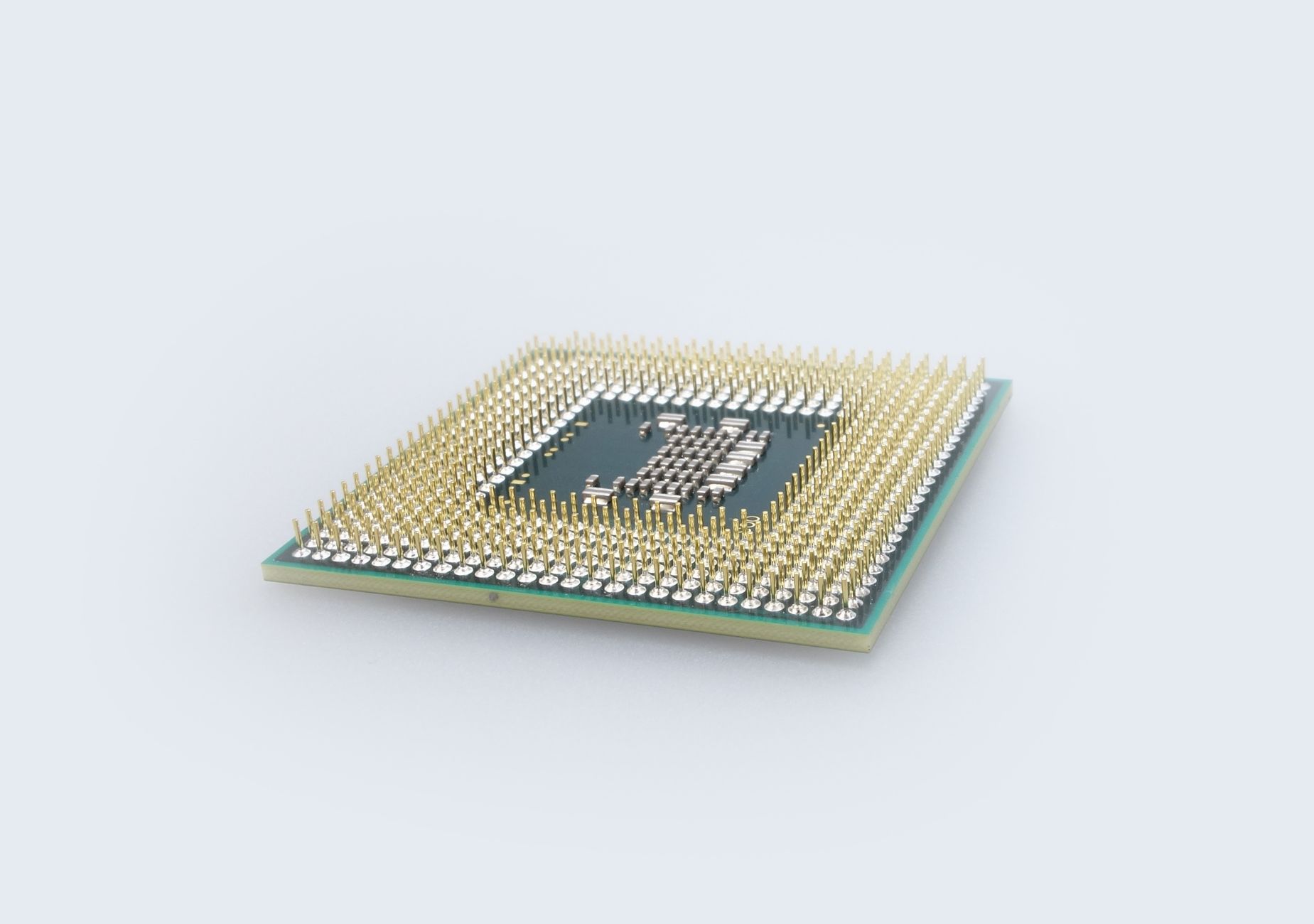
Anthropic has confirmed it is assembling a custom silicon team to design its own chips for running AI models. The news broke after Business Insider spotted job listings for a senior silicon engineer and a technical program manager on Anthropic's job board, and a company spokesperson later verified the plans to multiple outlets.
The move marks a significant step toward vertical integration for the AI lab, which has until now relied on partnerships and off-the-shelf hardware from the likes of Nvidia. The spokesperson said Anthropic will maintain a "multi-chip approach," using its own designs alongside those from other vendors as it scales. This aligns with earlier reports from The Information that Anthropic had explored working with Samsung as a manufacturing partner.
Anthropic is far from alone in this pursuit. OpenAI recently unveiled its own inference chip, "Jalapeño," developed with Broadcom, and Google has long run its models on custom TPUs. Meta has also produced its own silicon, and Mistral is reportedly exploring similar options. The industry-wide shift away from total dependence on Nvidia is driven by strategic concerns and a desire for performance gains through close hardware-software co-design.
Anthropic says its new team will co-design hardware and models together, aiming to optimize both for each other. This could yield efficiency and speed advantages that become critical as developers increasingly explore running smaller or open-weight models on edge devices. However, with hiring still underway, any benefits are likely years away.
For developers, the long-term implication is that AI infrastructure may become more specialized and fragmented. While that could mean more diverse deployment options, it also risks introducing new lock-ins. Anthropic's success in-house could eventually shape how models are packaged and run, but for now, it's a strategic bet on the future.
Get the signal, not the noise.
One short email when it matters. No recaps of recaps.
SOURCES
SHARE
RELATED

[tooling] ·
Anthropic launches Claude Code Projects for multi-agent workflows
[research] ·
Hacktron exploits Claude Opus 5 to breach OpenAI
[launches] ·
Anthropic merges Claude chat and Cowork into one interface

[research] ·
Anthropic CEO proposes three-step plan to slow AI development
[research] ·
Anthropic CEO commits to embedded evaluators to pace AI
[research] ·