[funding] · · 4 min read
AMD acquires World Labs for $8.2 billion
Fei-Fei Li joins AMD as chief scientist to integrate world model research directly into the chip roadmap, challenging Nvidia's ecosystem dominance.
By ByteBulletin Editor · Editor

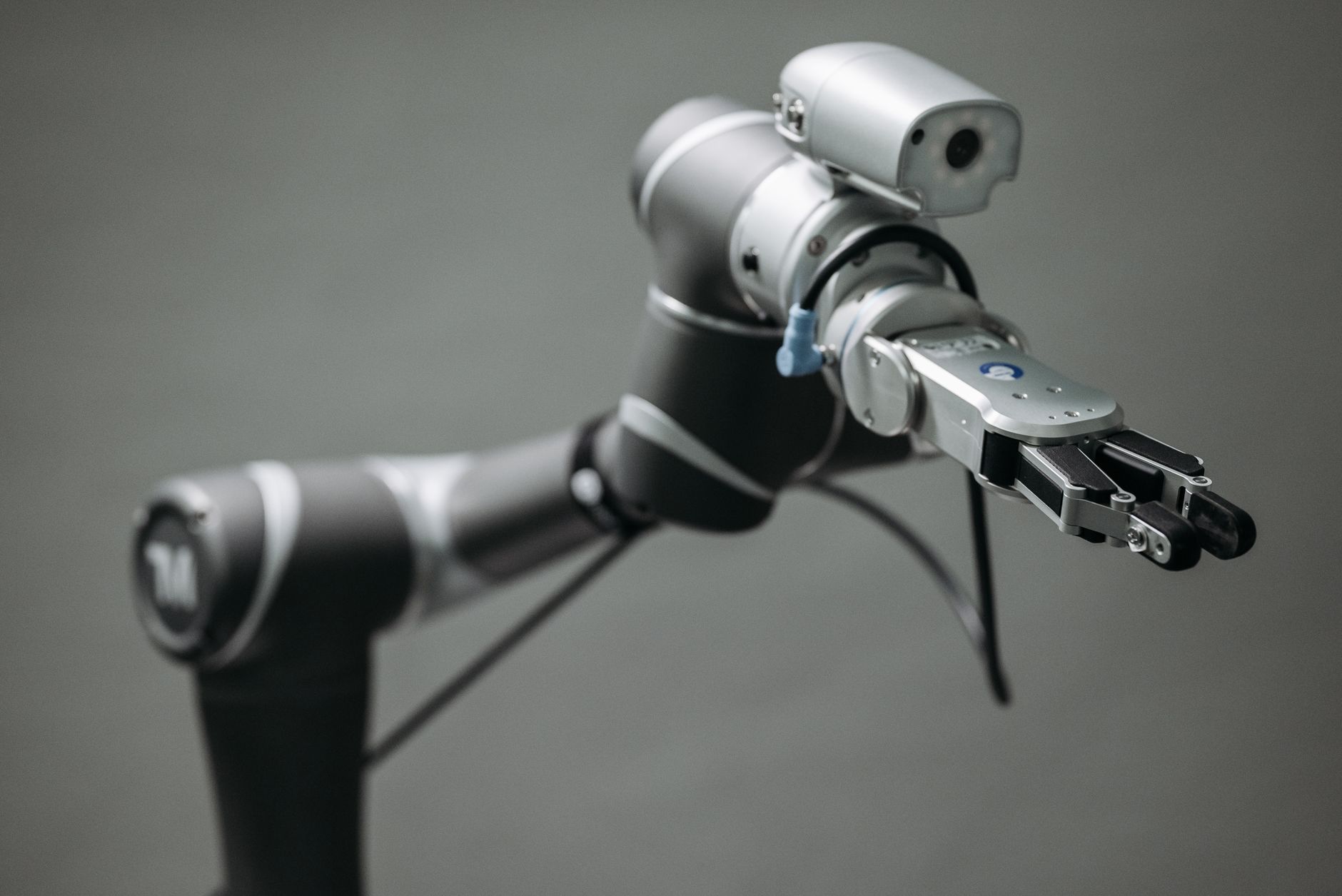
AI-generated illustration · Z-Image-Turbo, self-hosted
AMD is acquiring World Labs, the AI research lab co-founded by Fei-Fei Li, in an all-stock deal valued at approximately $8.2 billion, according to TechCrunch. The acquisition, which is expected to close before the end of the year subject to regulatory approval, marks a significant strategic pivot for AMD as it seeks to compete more aggressively with Nvidia in the AI hardware and software ecosystem. Under the terms of the deal, Li will join AMD as Executive Vice President and Chief Scientist, reporting directly to CEO Lisa Su, while the World Labs team will continue to focus on advancing AI model research.
The move is driven by a shared belief that the next generation of AI requires tight integration between model research and compute infrastructure. World Labs justified the merger by stating that AI development now requires “close collaboration across model research, systems and compute.” AMD, in turn, argues that understanding frontier workloads, such as those generated by World Labs’ models, is essential for shaping its chip-making roadmap. This represents a shift from AMD’s previous approach of offering text- and video-based models to the public, moving instead toward a more integrated hardware-software stack tailored for emerging AI applications.
The details of the integration
World Labs, founded in 2024, quickly established itself as a leader in developing deep learning models intended to understand physical reality. The company’s first commercial product, Marble, launched in 2025, is a world generation model that allows users to create interactive 3D worlds from a prompt. While Marble is pitched for entertainment experiences, it is also designed for creating simulated environments for robot training, a critical component in the development of autonomous vehicles and industrial robots.
Li, a Stanford computer science professor and pioneer in computer vision known for building the ImageNet database, has long argued that true general intelligence requires a grounding in physics. In a post announcing the deal, Li described the partnership as a necessary step to scale World Labs’ technical breakthroughs beyond the lab. “Now that we have tangible proof of the possibilities, we want to do everything we can to accelerate the future,” Li wrote. “To do this requires scaling our efforts, widening our reach, and getting closer to the hardware.”
AMD CEO Lisa Su emphasized the strategic importance of the acquisition in a statement: “Building the compute platforms for the next generation of AI requires a deep understanding of how models are evolving. Fei-Fei and the World Labs team bring exceptional research leadership and model expertise. Together, we can use that insight to develop the hardware, software and systems that will power the next generation of AI and strengthen the open AI ecosystem.”
Context in the AI hardware race
This acquisition is part of a broader trend of multi-billion dollar AI-related deals. Earlier this month, Nvidia announced it would be acquiring Hugging Face for nearly $13 billion, according to The Verge. Nvidia already possesses a suite of open-weight world models, such as Cosmos, giving it a head start in the ecosystem for AI-specific chips. AMD’s acquisition of World Labs is likely to help it close this gap by integrating a leading developer of physical reality models directly into its hardware development process.
World models are increasingly seen as vital for deploying generative AI on robotic platforms. The lack of useful real-world data to train general-purpose robots means that synthetic data generated by world models will be key to realizing the visions of companies like Tesla and Figure. By bringing World Labs in-house, AMD aims to optimize its chips specifically for these high-fidelity simulation and inference workloads, moving beyond generic AI compute to specialized systems.
What it means for developers
For developers working on robotics, simulation, or 3D content generation, this acquisition signals a potential shift in AMD’s software stack. The integration of World Labs’ research suggests that future AMD hardware may come with more robust support for world model inference and training. Developers who have been using Marble for creating simulated environments for robot training may find that AMD’s upcoming chips are better optimized for these specific workloads.
However, the deal is still subject to regulatory approval, and the full impact on the developer ecosystem will depend on how AMD integrates World Labs’ tools into its existing software offerings. Developers should watch for updates to AMD’s ROCm software stack and any new APIs or libraries that support world model generation. The emphasis on “open AI ecosystem” in Li’s and Su’s statements suggests that AMD may continue to offer open-weight models, but the specifics of how World Labs’ proprietary technology will be shared remain to be seen.
What to watch
- Regulatory approval: The deal is expected to close before the end of the year, but regulatory hurdles could delay or alter the terms.
- Product integration: How AMD integrates Marble and World Labs’ research into its hardware and software stack, particularly in terms of developer access and tooling.
- Nvidia’s response: How Nvidia reacts to AMD’s strengthened position in the world model and robotics AI space, especially following its own acquisition of Hugging Face.
- Open-source commitments: Whether AMD will release open-weight versions of World Labs’ models, which could significantly impact the developer community.
Get the signal, not the noise.
One short email when it matters. No recaps of recaps.
SOURCES
SHARE
RELATED

[funding] ·
Anthropic signs $11.6 billion Akamai cloud deal

[funding] ·
Vals raises $40M Series A led by Andreessen Horowitz

[funding] ·
Insight Partners diversifies AI bets against OpenAI and Anthropic concentration

[funding] ·
Cognition raises $2B at $48B valuation as AI coding market expands

[funding] ·
Mistral AI raises €3B in Europe's largest tech equity round
[funding] ·