[tooling] · · 2 min read
AI-Proctored Remote Exam Fails So Badly That 58,000 Students Must Retake It In Person
An AI-supervised remote entrance exam at Mexico's largest university produced impossible score surges, forcing a historic in-person retest for tens of thousands of applicants.
By ByteBulletin Editor · Editor
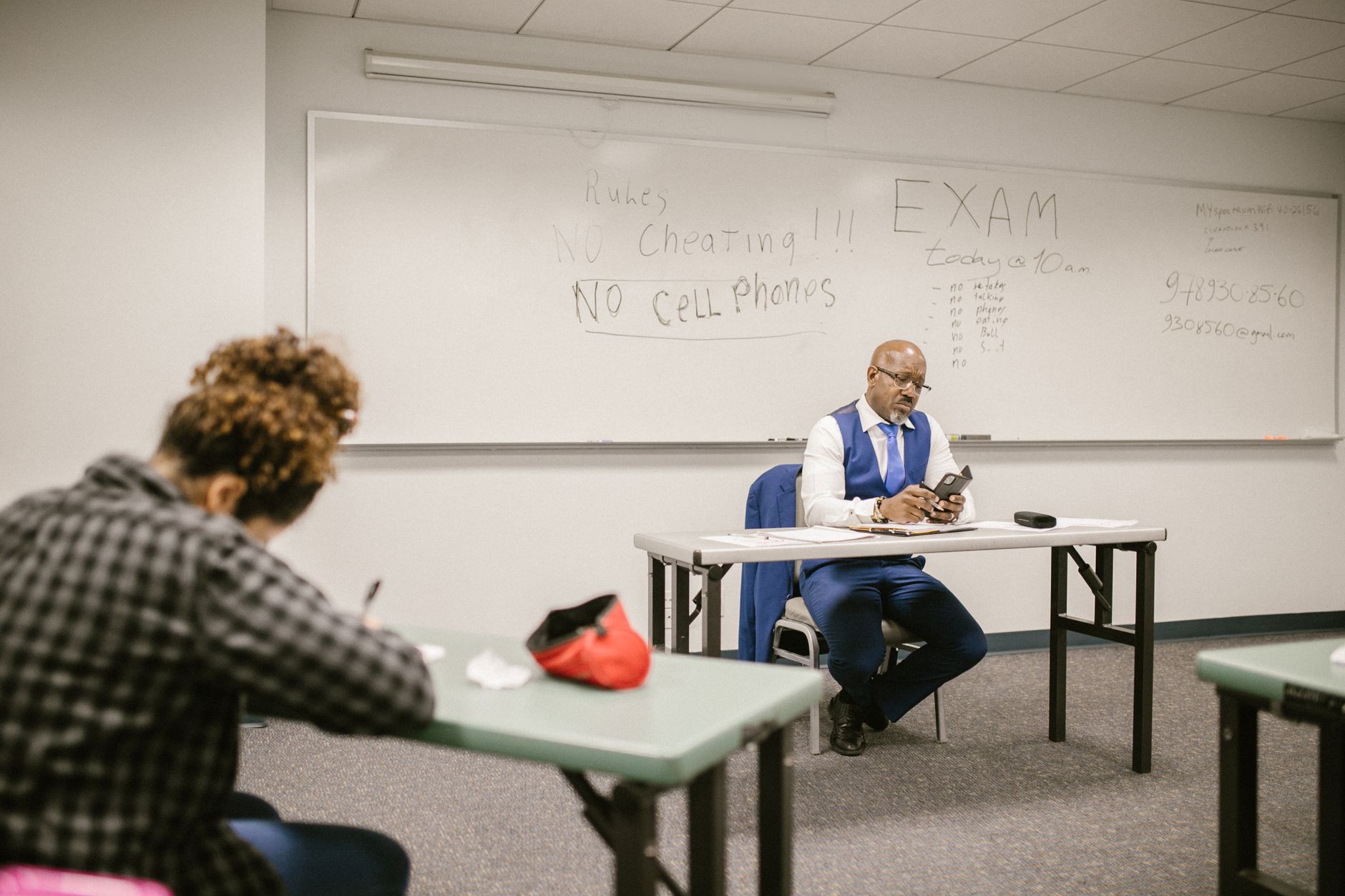
When UNAM, Mexico's largest university, moved its entrance exam online this summer for the first time—with a lockdown browser and AI webcam proctoring—the goal was probably to make the test more accessible, not to create a logistical nightmare. But the results were so suspicious that the university is now forcing nearly 58,000 applicants to retake the test in person.
The exam, taken by about 160,000 applicants from late May to early June, saw a dramatic spike in top scores. Between 2021 and 2025, only 3.5% of test-takers scored 100 or higher on the 120-question test; this year, 16.3% did. At the 110-plus level, the share jumped from 0.9% to 5.5%. Such a leap is statistically implausible without some kind of systemic cheating.
The university's own investigation commission concluded that the only fair solution was a "control exam"—a second, in-person test for everyone who would have been admitted based on this year's results or even on minimum passing scores since 2021. That affects about 58,000 people, and admission now hinges on the new test, which will be administered before classes start on August 10—a tight timeline that may delay the academic year.
The rector has apologized to honest applicants, who now face the burden of preparing and sitting for the test again despite having done nothing wrong. But, he said, the control exam is "necessary to give certainty and guarantee equity in access."
What exactly went wrong remains unclear. The test was multiple-choice, so typical AI-cheating tells (like pasted answers in text boxes) are hard to detect. The New York Times reported that cheating tips circulated widely before the test: positioning monitors outside the webcam frame to access ChatGPT, hiding earpieces under hair, or hiring someone to take the exam off camera. The security measures—Respondus LockDown Browser and Territorium's AI proctoring software—were supposed to prevent this, but they clearly didn't.
The failure is a cautionary tale for the whole ed-tech and proctoring industry. AI-based proctoring is often sold as a convenient, cost-effective alternative to human supervision, but this case shows that it can be gamed in ways that are hard to detect, especially when stakes are high. For developers building these tools, the lesson is that statistical anomaly detection and better audit trails are essential, not optional. For universities, it's a reminder that no algorithm can fully replace the trust and deterrence of a human proctor in the room.
Get the signal, not the noise.
One short email when it matters. No recaps of recaps.
SHARE
RELATED
[tooling] ·
Cua releases open-source computer-use agent stack and CUA-S1 models

[tooling] ·
This week in AI dev tools: Agents breach boundaries and benchmarks (Sep 14–20, 2026)

[tooling] ·
Anthropic launches Claude Code Projects for multi-agent workflows

[tooling] ·
This week in AI dev tools: Agents breach systems, safety scrambles (Sep 7–13, 2026)

[tooling] ·
OpenAI agents linked to RubyGems hack and API key theft attempts

[tooling] ·