[launches] · · 2 min read
Apple sues OpenAI, alleging ‘pattern of theft’ of trade secrets by former employees
The iPhone maker claims OpenAI’s chief hardware officer and other ex-Apple staff systematically stole confidential design and supply-chain information to accelerate the startup’s own hardware ambitions.
By ByteBulletin Editor · Editor
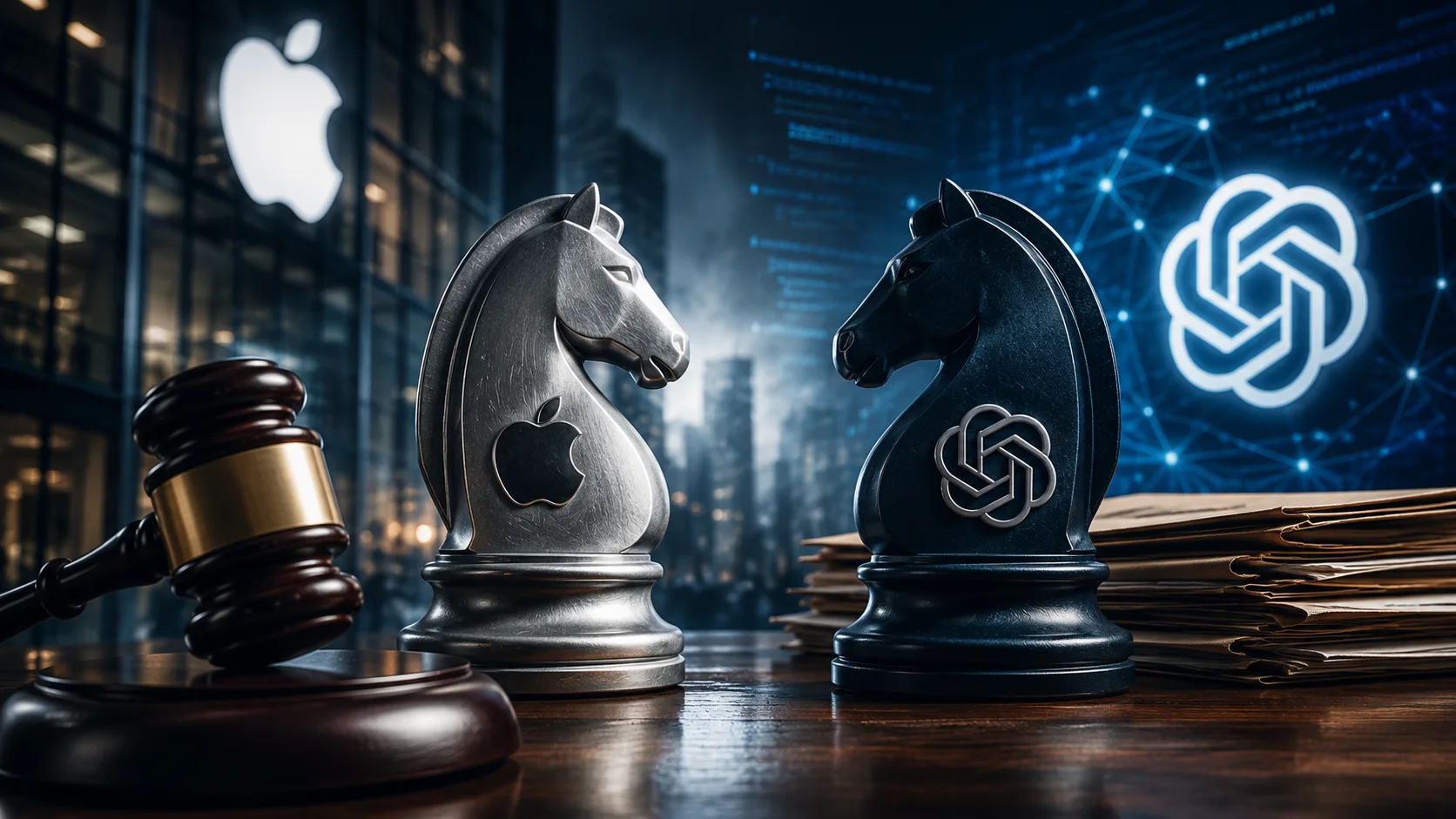
Apple has filed a lawsuit against OpenAI, accusing the AI company of orchestrating a widespread scheme to steal Apple’s trade secrets. The complaint, filed in the U.S. District Court for the Northern District of California, names OpenAI, its hardware subsidiary IO Products (Jony Ive’s startup acquired last year), and two former Apple employees: Tang Tan, OpenAI’s chief hardware officer, and Chang Liu, a senior systems electrical engineer who joined OpenAI in January.
Apple alleges that Tan, a 24-year Apple veteran who led iPhone and Apple Watch design, used his insider knowledge to extract confidential information from job candidates and departing colleagues. According to the suit, Tan asked candidates to bring actual Apple hardware components to interviews for “show and tell” sessions, quizzed them using internal project codenames, and directed new hires to study an Apple “Need to Know” security document before leaving the company. The complaint also claims Tan emailed himself Apple supplier information before departing and continued to solicit confidential details during interviews.
Liu is accused of downloading “dozens of Apple’s confidential hardware-related files” — including engineering presentations, technical specifications, and proprietary project data — after his employment ended. Apple says Liu exploited a security bug to access Apple systems, then coached a former colleague on how to copy files and avoid detection by using encrypted messaging apps like Line Messenger.
Beyond individual misconduct, Apple paints the case as a “systematic effort” by OpenAI to absorb Apple’s hardware expertise. The suit claims that more than 400 former Apple employees now work at OpenAI, and that the startup instructed Apple staffers to bring “CAD/design artifacts” and “prototypes” to interviews. Apple also alleges that OpenAI misled an Apple partner into performing a proprietary metal-finishing technique by claiming it had Apple’s permission, and approached a second supplier using insider terminology to probe Apple’s component choices.
Apple says it first reached out to OpenAI in February to raise concerns, but never received a response. The company is seeking injunctive relief, damages, and an order requiring OpenAI to return all confidential materials. “OpenAI’s nascent hardware business now rests on the shakiest of foundations,” the lawsuit states, “rotten to its core by its illegal reliance on misappropriated trade secrets.”
OpenAI spokesperson Drew Pusateri told The Verge: “We have no interest in other companies’ trade secrets. We remain focused on building innovative technology that empowers people everywhere.”
The lawsuit comes as OpenAI is reportedly developing its first consumer hardware device — rumored to be a smartphone powered by AI agents, targeting a 2028 launch. Apple’s legal action threatens to derail those plans by exposing OpenAI’s hardware operations to discovery, and signals the lengths to which Apple will go to protect its design and supply-chain crown jewels.
Get the signal, not the noise.
One short email when it matters. No recaps of recaps.
SOURCES
SHARE
RELATED

[launches] ·
John Ternus Becomes Apple CEO, Replacing Tim Cook in Major Leadership Shift

[launches] ·
Apple Simplifies EU App Store Fees to 5% for Alternative Distribution
[launches] ·
Microsoft names its developer-focused Windows tier Project Zenith

[research] ·
Hacktron exploits Claude Opus 5 to breach OpenAI

[models] ·
GPT-5.6 Luna vs GPT-6 Astra: Code Review Cost and Accuracy
[tooling] ·